
By Derek Ver Helst, Senior Agronomist
At its core, regenerative agriculture is understanding human activity, particularly in food and fiber production; it has the potential to either degrade or enhance the environment. It’s a process of aligning human activities with the natural cycles of unique and individual ecosystems.
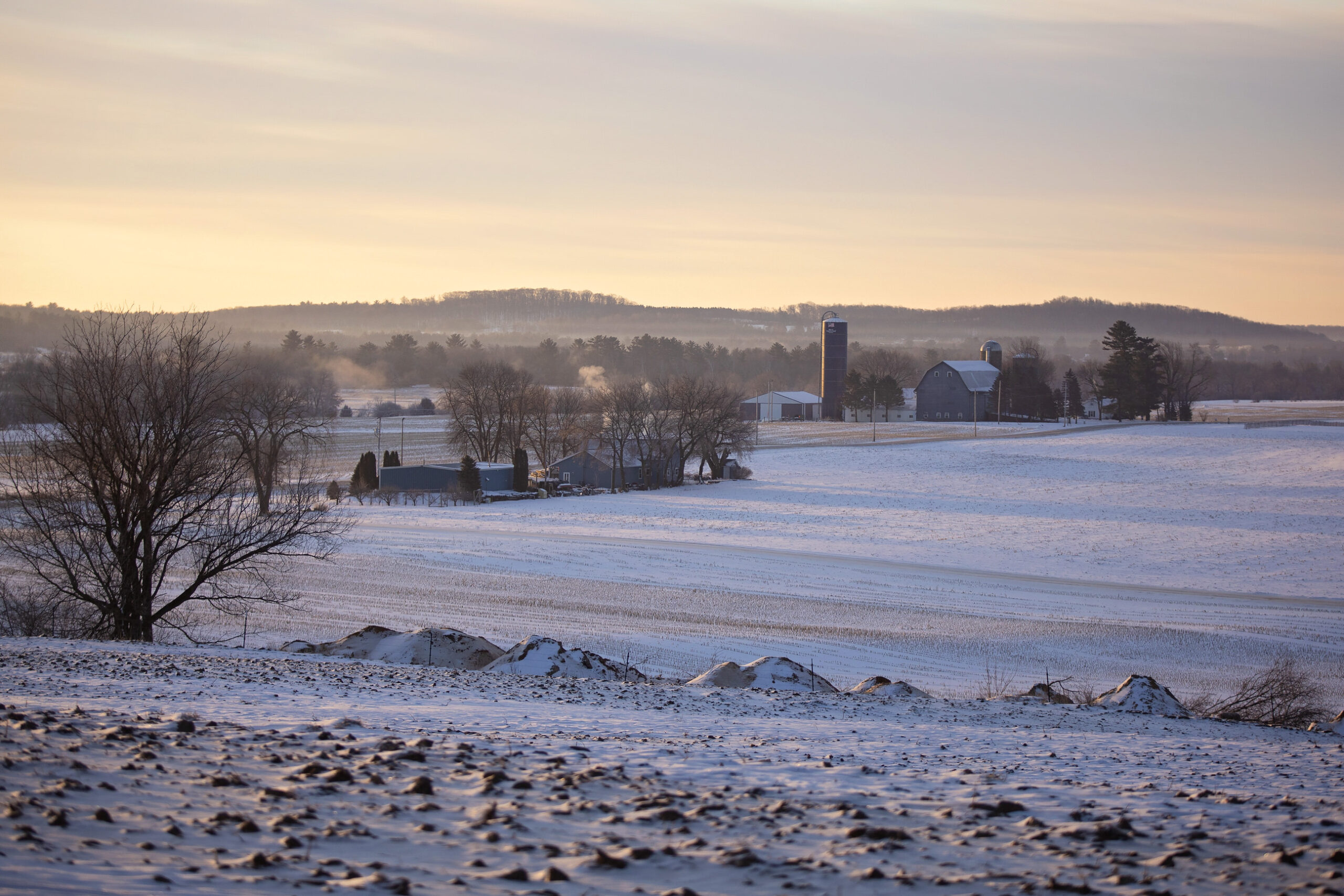
Conventional agriculture, in its current state, focuses on maximizing yields, often disrupting natural processes. Practices like monocropping, reliance on synthetic fertilizers and pesticides, and extensive tillage depletes water resources, reduces biodiversity, and diminishes soil health.
Regenerative agricultural practices attempt to restore balance to natural systems by focusing on three general categories:
- Soil Health: Healthy soil is the foundation of any ecosystem. Practices such as cover cropping, no/reduced till, and the integration of livestock promote soil biodiversity, increasing organic matter content, and improving water retention. Beneath the surface, these changes create a thriving ecosystem that supports prosperity.
- Biodiversity: Monocultures lead to ecological vulnerability. Regenerative agriculture emphasizes crop diversity, intercropping, and agroforestry, which creates a more resilient and balanced system. Biodiversity supports beneficial insects, pollinators, and other organisms that contribute to the overall health of an ecosystem.
- Natural Systems: Instead of attempting to dominate and control natural processes, regenerative agriculture mimics these systems and cycles. Nutrient and water cycles, and energy flow, are harnessed to produce the same, with less reliance on off-farm inputs.
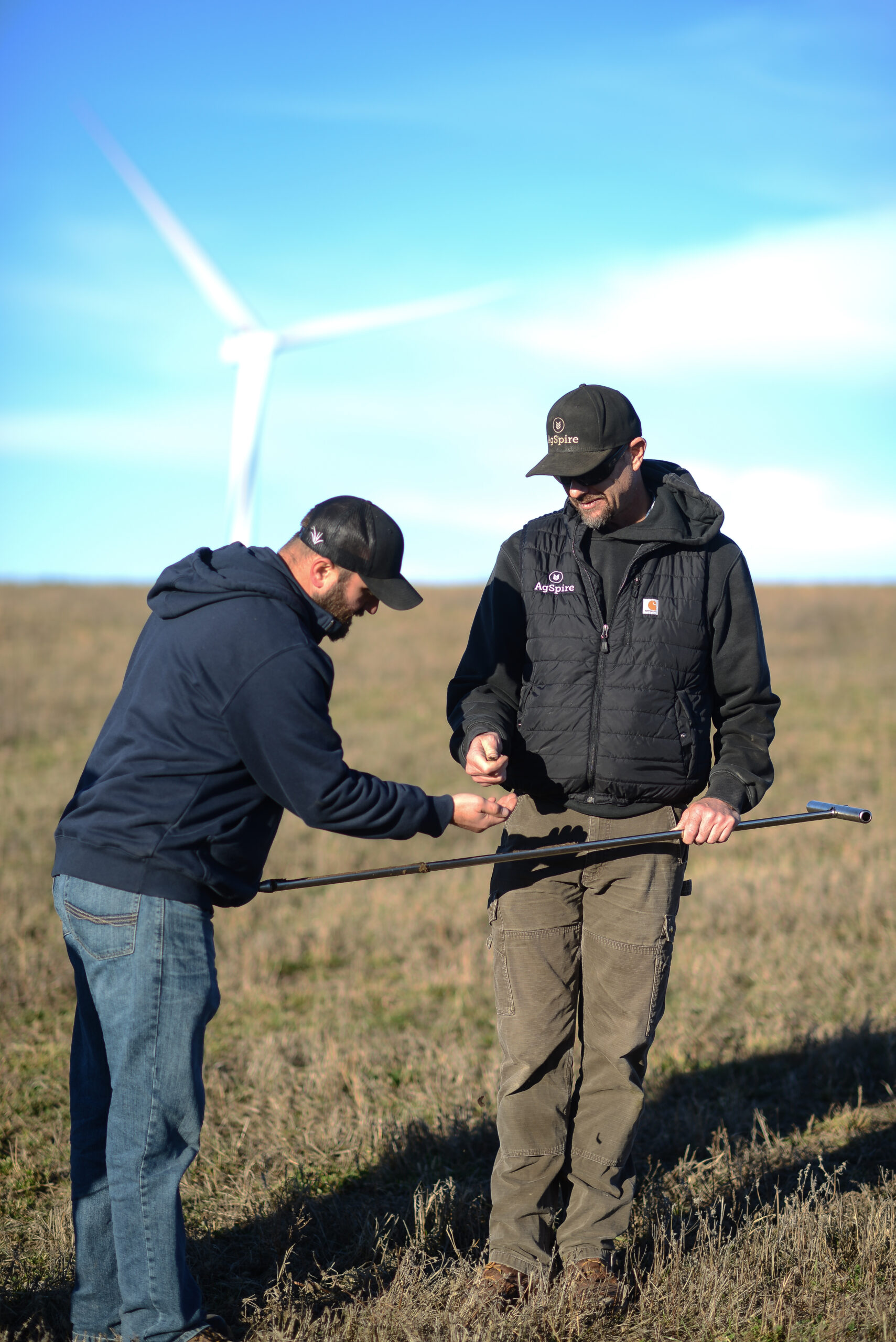
Just as a high-performance sports car requires precise and delicate tuning for speed and handling, ecosystems require careful calibration to function optimally. Regenerative agriculture acts as the calibration process. By understanding and respecting the synergistic relationships in an ecosystem, we can create a sustainable food system that nourishes both humans and the environment.
Regenerative agriculture is not just about producing food and fiber; it’s about restoring balance to a currently strained system. By embracing regenerative principles, we can recalibrate our relationship with the environment, creating a future where human activity enhances and builds sustainable, resilient, natural ecosystems.
Additional Links
Learn more about soil health on AgSpire’s YouTube Channel >>> Soil Health
Learn more about soil health at our ranching resilience workshops, Jan. 21 (Yankton) and Jan. 23 ( Aberdeen) >>> More information