
By Sheridan Wilson, Technical Advisor
If you’ve been around this industry, you know you can’t fix nutrition problems overnight. What you feed today shows up later in conception rates, calf vigor, and how long those females stay productive in your herd.
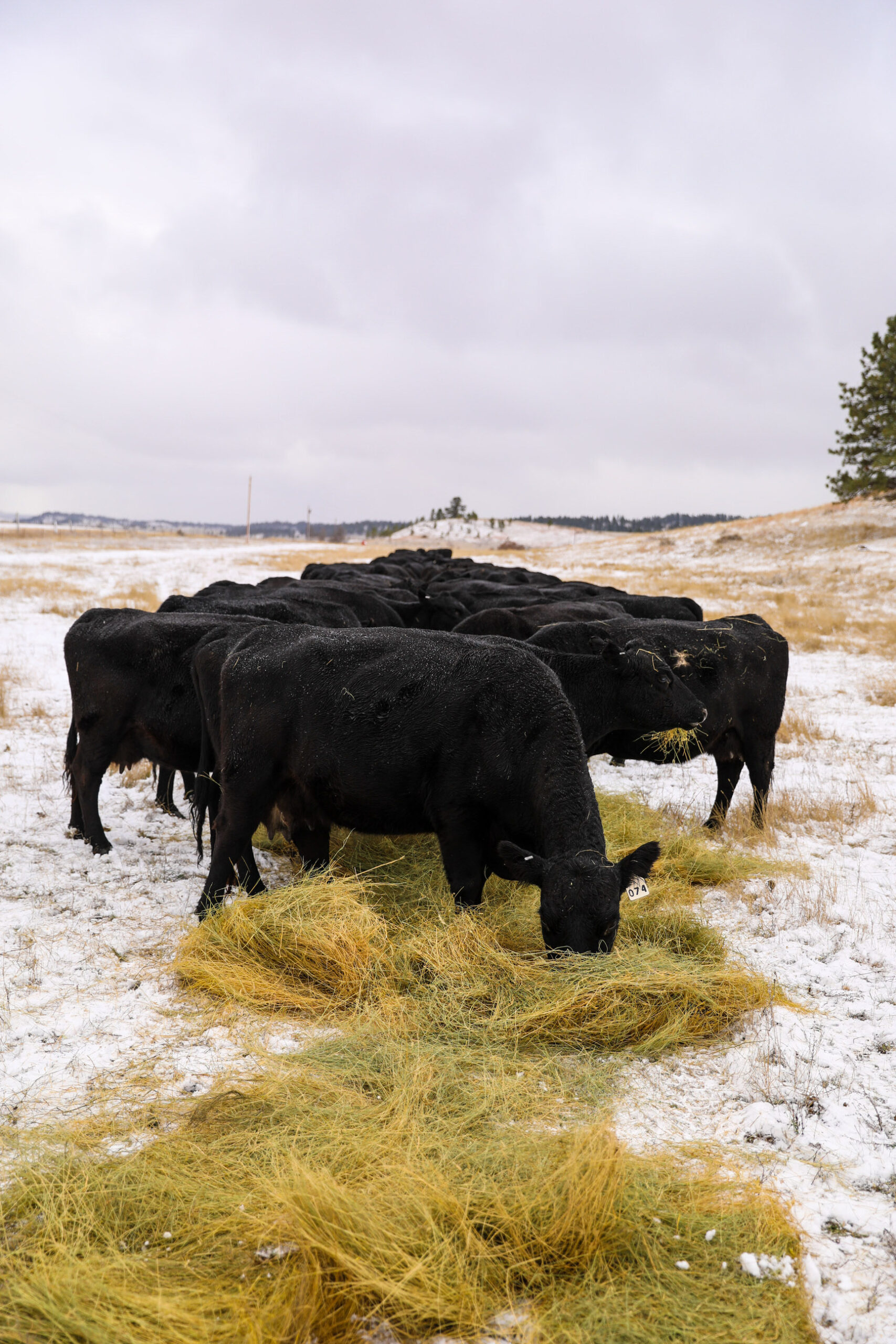
Good nutrition starts with being proactive in keeping your cows in shape. When cows hold body condition and meet their energy needs, they breed back better and perform better in the herd. The problem is, by the time you see a cow slip in body condition, especially in winter when cows have more hair, you’re already behind. At that point, catching her back up is expensive and often insufficient. Planning and focusing on body condition before winter/last trimester is less expensive and more effective.
It’s a mistake to treat nutrition as a last-trimester issue. Yes, those final months are important for calf development, but the other months of the year are just as important for embryonic survival, calf immune development, calf muscle fiber formation, and cow fertility and breedback. Consistent, year-round nutritional support sets cows up to do what we need them to do: get bred, raise a big healthy calf, and stay in the herd.
Cows are good at adapting to their environment. Body Condition Score (BCS) matters, but it’s not the whole story. If you are building up your cow herd, focus on selecting cattle that can adapt to your environment and have energy requirements matched to your feed resources. The cows that breed early every year and maintain condition may tell you more than a genomic test.
Providing ample feed for your cattle is crucial; underfeeding has long shadows. Research has shown that shorting first-calf heifers in their last trimester can hurt their performance for at least two years afterward. These heifers displayed lower body weights and reduced milk production compared to their counterparts, even following their second parturition. On the flip side of feeding, more isn’t always better. Over-conditioned bulls, for example, often show poorer semen quality. New research shows that embryos fertilized by over-conditioned bulls had delayed embryonic development and were more likely to die before placentation. It is hypothesized that calves sired by fat bulls may actually have reduced average daily gains when they get to the feedyard.
Bottom line: nutrition decisions stack up. When you invest in your herds’ nutrition today, you’re not just feeding this year’s calf crop. You’re building the next generation of your herd.
Contact AgSpire today if you want to learn more about making proactive decisions for the nutrition of your herd.
Additional Links
Herd Management Basics on AgSpire’s YouTube Channel >>> Link to Video