
Winter is approaching, spring calves are weaned, and nutrition is top of mind for many beef producers. Extending the grazing season by utilizing crop residue and cover crops is a strategy to maintain or boost body condition score while reducing reliance on stored or purchased feed. Keeping cows grazing home-raised forage longer also gives perennial pastures a much-needed rest, and is an approach producers are using successfully.
With a few management tips and Technical Support from AgSpire, you can make the most of this feed source.
Corn Stalks + Cover Crops: A Winning Combination
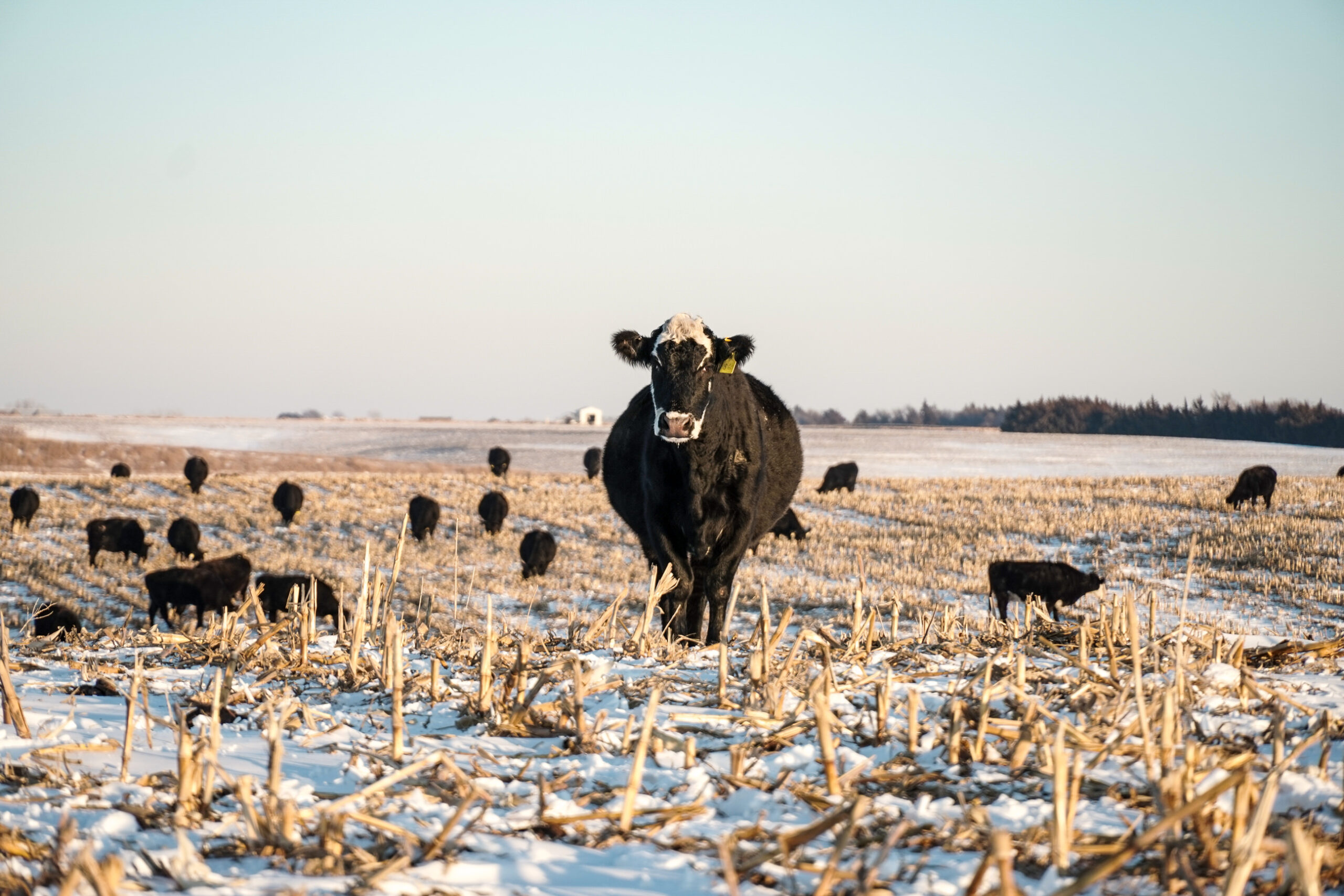
One of the most effective ways to extend grazing and cut hay costs is turning cattle out on corn stalks interseeded with a cover crop like cereal rye. After harvest, corn residue alone provides a valuable feed source, but adding rye significantly boosts forage quality and quantity. Begin grazing corn stalks as soon as fields are dry enough to prevent compaction. If rye was interseeded, allow 6 to 8 inches of growth before grazing to avoid overgrazing and ensure regrowth potential.
- Research shows interseeding rye into corn can provide an additional 42.5–52.6 animal unit days per acre without reducing corn grain yield under normal conditions (Iowa State University Extension).
- Cereal rye offers 8–13% crude protein and 53–63% total digestible nutrients (TDN) when grazed at the boot stage (University of Nebraska Extension).
A Simple Addition
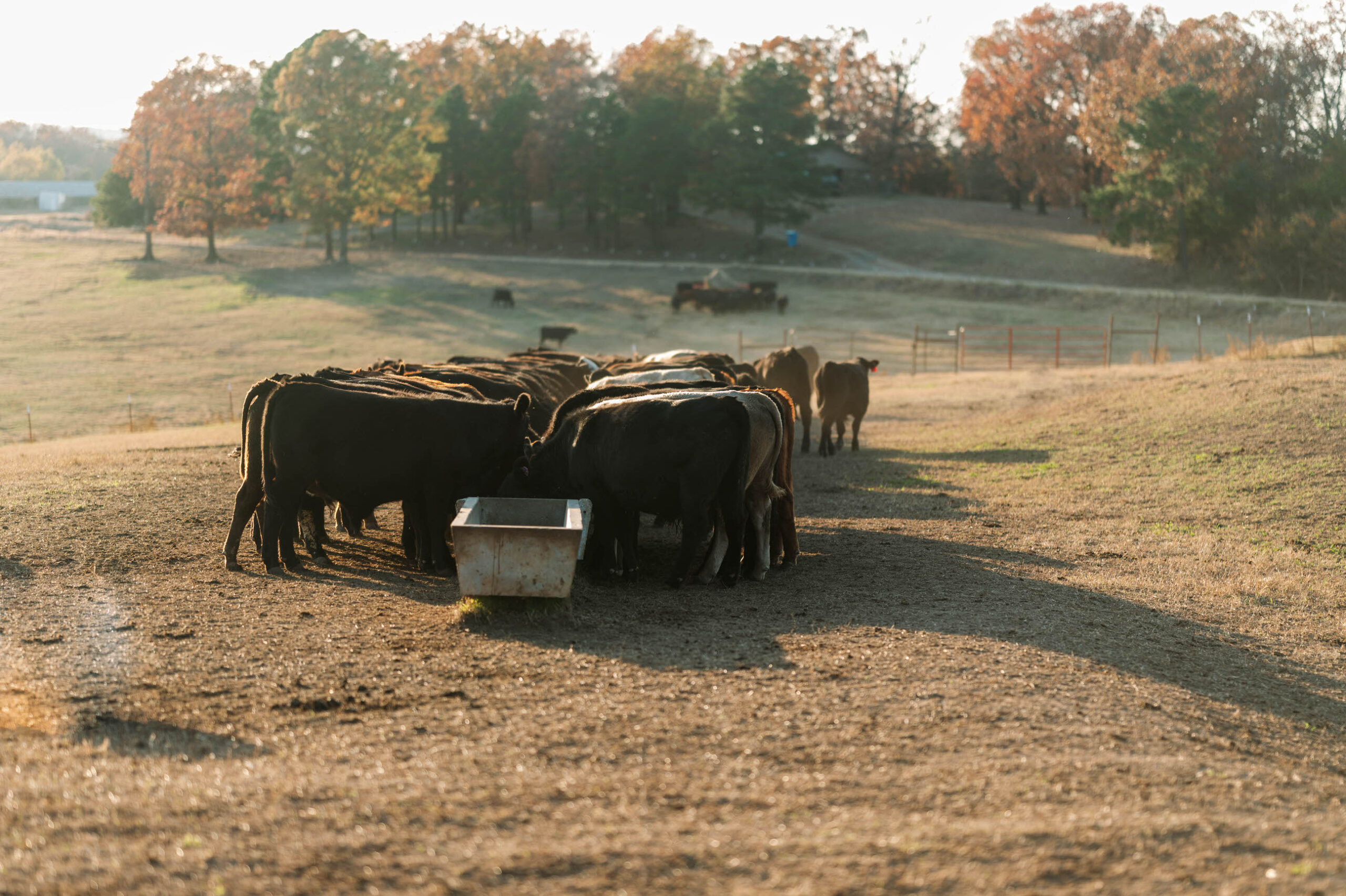
While single species cover crops like rye can help extend your grazing season, adding brassicas can supercharge fall grazing. These species produce lush leafy growth and energy-rich bulbs that cattle find highly palatable. Planting covers is typically recommended to be done in late July through early September so the plants have time to develop enough biomass before frost. Target grazing brassicas after a light frost (to improve palatability), but before severe frost. Strip grazing can help manage intake and reduce waste.
- Brassicas can deliver 12–20% crude protein and support gains of up to 2 pounds per day on backgrounding calves when managed correctly (University of Wisconsin Extension).
- For best results, seed cover crops as soon as possible to get the most biomass for grazing. This may mean interseeding into corn before silage or grain harvest or drilling right behind the combine
Beyond forage value, brassicas offer significant soil health advantages:
- Compaction Reduction: Radishes develop deep taproots that penetrate compacted layers, while turnips form large bulbs that loosen topsoil.
- Nutrient Scavenging: Brassicas capture residual nitrogen and other nutrients, reducing leaching and improving nutrient cycling for the next crop.
- Weed Suppression: Rapid canopy growth inhibit weed germination, reducing pressure in subsequent crops.
- Enhanced Soil Biology: Decomposing roots add organic matter and stimulate microbial activity, improving soil structure and resilience.
Extending more than the Grazing Season
When combined with rye or other cereals, brassicas create a diverse root system that improves water infiltration, aeration, and overall soil health. This diversity also helps maintain soil cover through winter, reducing erosion and protecting soil health long-term. Brassicas typically winterkill, so they won’t compete with spring crops, while rye overwinters to provide early spring grazing.
There are also economic benefits to planting and grazing cover crops. Feed is one of the largest yearly expenses for cattle producers, and an area where finding ways to decrease spend, can have a big impact on the bottom line. Utilizing cover crops reduces days fed or supplemental feed and can increase calf gain over grazing corn stalks alone.
To learn more about how AgSpire can help with integrating cover crops and grazing strategies for maximizing their use, visit AgSpire.com, email us at info@agspire.com, or call / text (605) 675-7255, and someone from the team will be in contact.
Additional Links
Learn more on YouTube >>> Nutrient Management
Follow us on Facebook >>> AgSpire Facebook