
At GreenBiz26, Zach Pinto of AgSpire joined a panel exploring a fundamental question for companies with an agriculture value chain: Can sustainability truly thrive while farmers struggle?
For corporate sustainability and supply chain leaders in the room, the conversation underscored a reality that is becoming increasingly clear – producer viability and supply chain resilience are inseparable.
The panel brought together perspectives from across the value chain, including global food, beverage and agriculture companies, Scope 3 project developers, and research organizations, alongside the voice of multi-generational grain farmer from Iowa. That diversity highlighted how sustainability commitments travel from boardrooms to working farms and ranches, and how much can be lost in translation along the way.
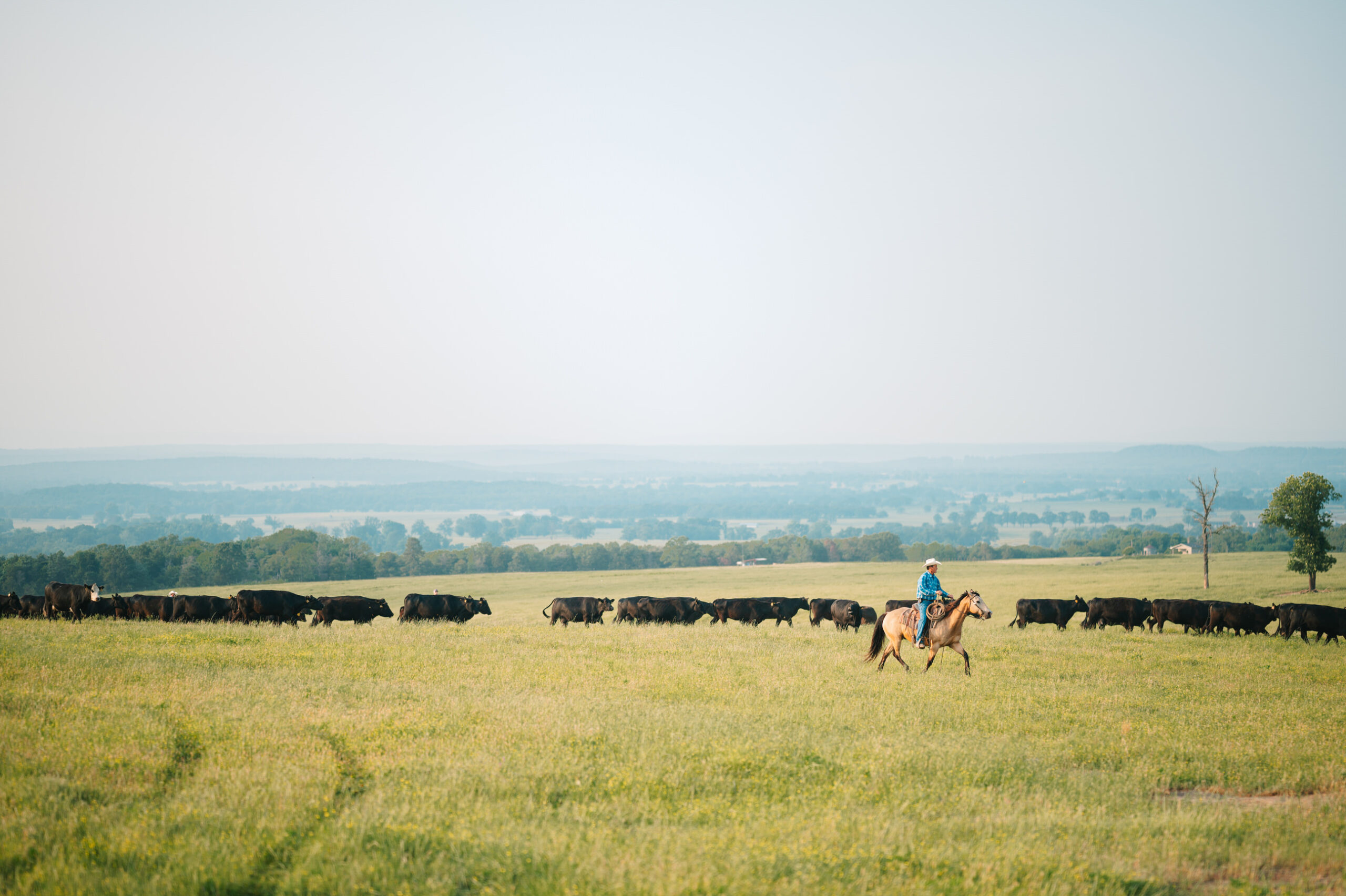
Producer Perspectives
Pinto emphasized that sustainability only scales when it works on the ground. Programs designed without a deep understanding of operational realities including cash flow cycles, agronomic systems, labor constraints, family traditions, and risk exposure, rarely achieve scalable and durable adoption. Farmers and ranchers deal with a multiple of risk assessments, uncontrollable market and weather, and – rightfully so – are hesitate to take on high ambiguity programs and uncompensated risk.
In recent years, the broader sustainability program space has shifted. Producers are asking sharper questions:
- What exactly is being asked of me?
- How does this impact my bottom line?
- Who shares the risk??
- What does long-term commitment look like?
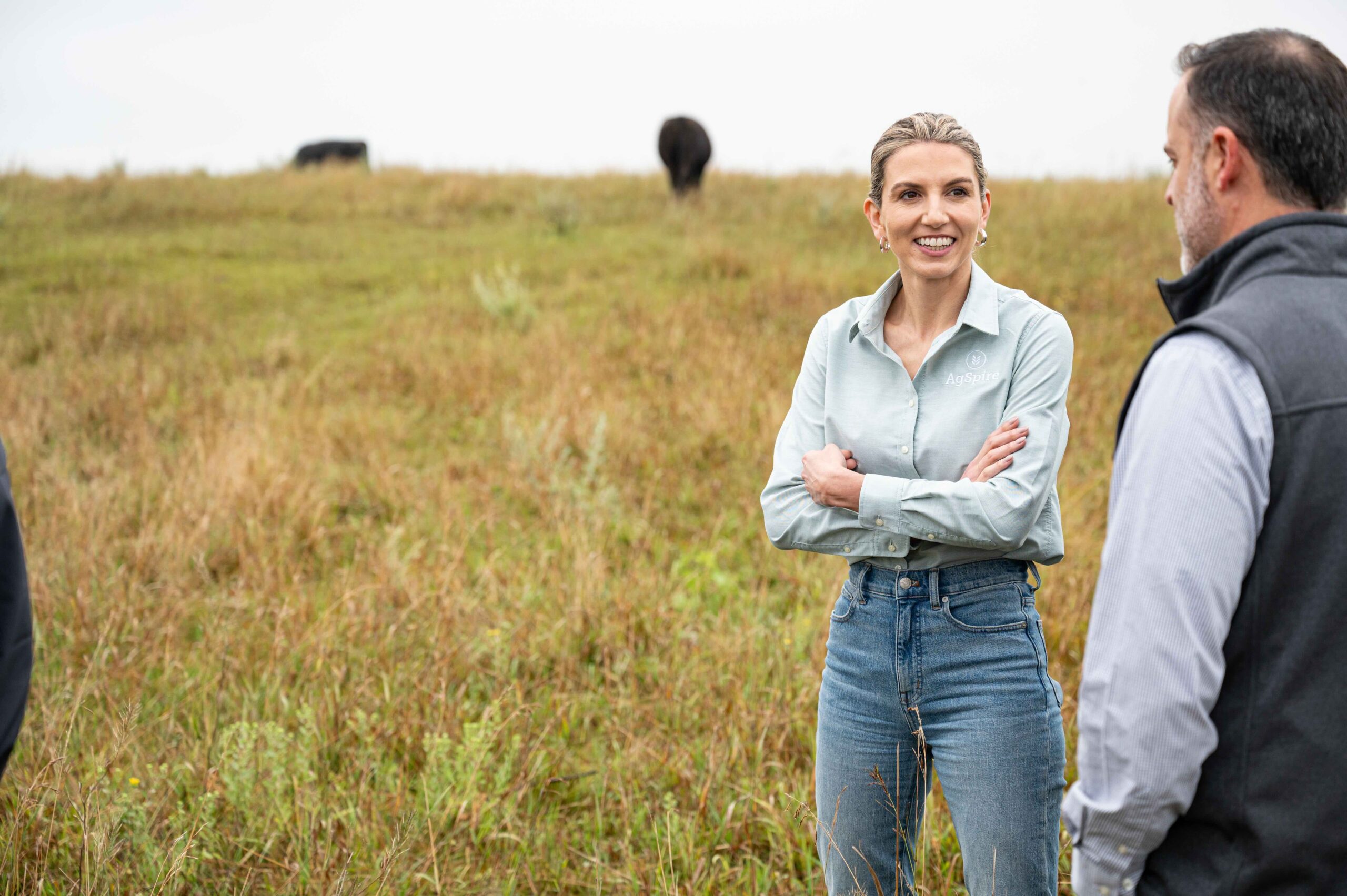
Corporate Expectations
At the same time, corporate expectations have grown. Companies are under pressure to demonstrate credible progress, measurable outcomes, and resilient sourcing strategies. That level of credibility requires more than high-level commitments. It requires programs built around producer economics and practical implementation.
Pinto noted that while industry conversations have evolved incrementally, the biggest shift is happening in the marketplace itself. The broader narrative around sustainability is changing. There is less tolerance for broad commitments and more focus on resilience, especially the resilience of agricultural supply chains. Sustainability is no longer just about signaling intent. Companies are under increasing pressure to strengthen supply chains and show measurable outcomes all the way down to the farm level.
The Solution
This shift presents a clear opportunity. Programs that are intentionally producer-centric, built with operational feasibility, technical support, and aligned incentives, are far more likely to scale and endure. When programs work for the people managing the land and livestock, adoption becomes practical, progress becomes measurable, and resilience becomes real.
At AgSpire, this philosophy is foundational. The team works at the intersection of corporate goals and farm reality, helping design and implement programs that translate sustainability goals into measurable, on-the-ground progress. By aligning business objectives with producer viability, AgSpire supports supply chains that are not only more sustainable, but more secure.
The takeaway for corporate teams is straightforward: if farmers struggle, sustainability stalls. When producers thrive, sustainability scales.