
Spring calves are weaned and winter’s coming, so nutrition is top of mind for a lot of beef producers. Grazing crop residue and cover crops stretches your season. It can hold or build body condition score while cutting how much stored or purchased feed you need. Keeping cows on home-raised forage longer also gives perennial pastures a much-needed rest. Producers are already doing it successfully.
A few management tips and technical support from AgSpire can help you make the most of this feed source.
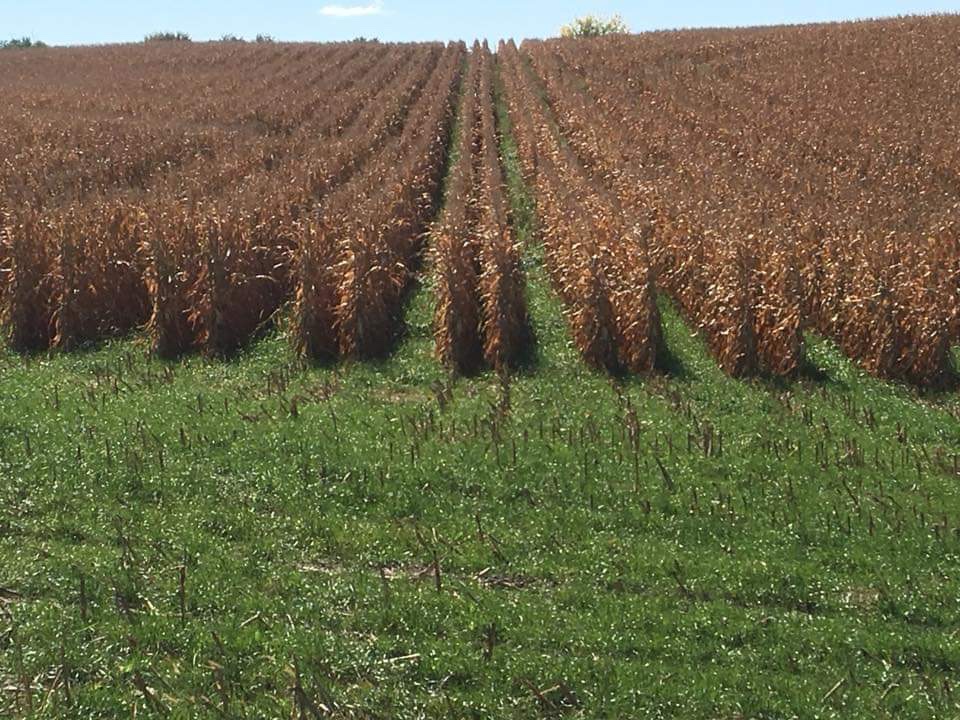
Corn stalks + cover crops: a winning combination
Turning cattle out on corn stalks interseeded with a cover crop is one of the most effective ways to extend grazing and cut hay costs. Adding a cover crop to corn residue boosts both forage quality and quantity.
- Getting covers into corn: You can fly a cover crop onto standing corn late or interseed it early. Interseeding can start as early as V3.
- Choosing a species: Cereal rye and annual ryegrass both fit well. Annual ryegrass is a shade-tolerant, cool-season plant, so it grows fast on cool fall days once the corn is harvested. Cereal rye flown on in the fall gives you spring cover, but don’t count on much fall grazing from it.
- Timing the turnout: Start grazing stalks once fields are dry enough to prevent compaction. If you interseeded annual ryegrass, let it reach 6 to 8 inches before grazing so it isn’t overgrazed and can regrow.
- Let the forecast guide timing: If it looks fairly dry, hold cows off longer so the cover crop can rebound after harvest. In a really wet year or late in the season, plan on grazing immediately to not lose corn stalk quality.
- Covering the basics: Always provide supplemental protein and water on stalks and covers.
Research shows interseeding rye into corn can add 42.5 to 52.6 animal unit days per acre without reducing corn grain yield under normal conditions (Iowa State University Extension).
Grazed at the boot stage, cereal rye runs 8% to 13% crude protein and 53% to 63% total digestible nutrients (University of Nebraska Extension).
A Simple Addition
Cover crops fall into 3 main types: grasses, brassicas and legumes. Single-species grass covers like rye can help extend your grazing season. Adding brassicas can push fall grazing further.
Brassicas grow lush, leafy tops and energy-rich bulbs that cattle find highly palatable. The usual planting window is July through early September, which gives plants time to build enough biomass before frost.
Graze brassicas after a light frost (it improves palatability) but before a severe one. Strip grazing can help manage intake and cut waste.
Managed correctly, brassicas can deliver 12% to 20% crude protein and support gains of up to 2 pounds per day on backgrounding calves (University of Wisconsin Extension).
Seed cover crops as soon as you can to get the most biomass for grazing. That might mean interseeding before silage or grain harvest, or drilling right behind the combine.
Brassicas also pay off in soil health:
- Compaction reduction: Radishes push deep taproots through compacted layers, and turnips form large bulbs that loosen topsoil.
- Nutrient scavenging: Brassicas capture residual nitrogen and other nutrients. That cuts leaching and improves nutrient cycling for the next crop.
- Weed suppression: Rapid canopy growth inhibits weed germination, so the next crop faces less weed pressure.
- Soil biology: Living roots keep growing past harvest and late into fall, and decomposing roots add organic matter. Together they stimulate microbial activity, which builds soil structure and resilience.
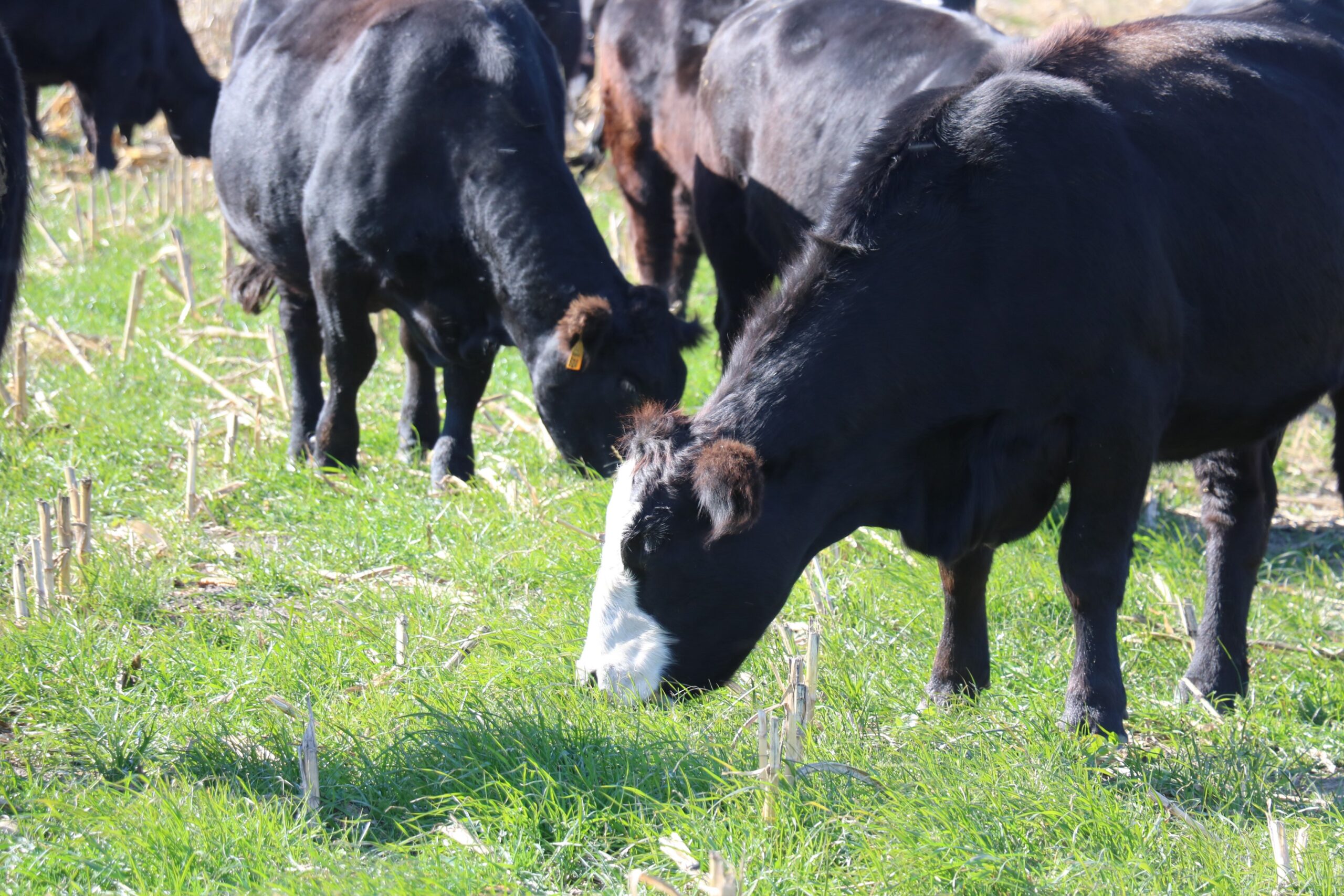
Extending more than the grazing season
Paired with rye or another cereal, brassicas build a diverse root system that improves water infiltration and aeration. The mix also keeps soil covered through winter, which cuts erosion.
Brassicas typically winterkill, so they won’t compete with spring crops. Cereal rye overwinters for spring cover. The economics work, too. Feed is one of the biggest yearly expenses for cattle producers, so cutting feed spend can make a big difference on the bottom line. Grazing cover crops cuts days fed or supplemental feed, and it can add calf gain compared with grazing corn stalks alone.
To talk with AgSpire about working cover crops and grazing into your operation, visit AgSpire.com or email info@agspire.com. You can also call or text 605-675-7255, and an advisor from our team will follow up.
Additional Links
Learn more on YouTube >>> Nutrient Management
Follow us on Facebook >>> AgSpire Facebook