Can Sustainability Thrive While Farmers Struggle?

At GreenBiz26, Zach Pinto of AgSpire joined a panel exploring a fundamental question for companies with an agriculture value chain: Can sustainability truly thrive while farmers struggle? 

For corporate sustainability and supply chain leaders in the room, the conversation underscored a reality that is becoming increasingly clear – producer viability and supply chain resilience are inseparable. 

The panel brought together perspectives from across the value chain, including global food, beverage and agriculture companies, Scope 3 project developers, and research organizations, alongside the voice of multi-generational grain farmer from Iowa. That diversity highlighted how sustainability commitments travel from boardrooms to working farms and ranches, and how much can be lost in translation along the way. 
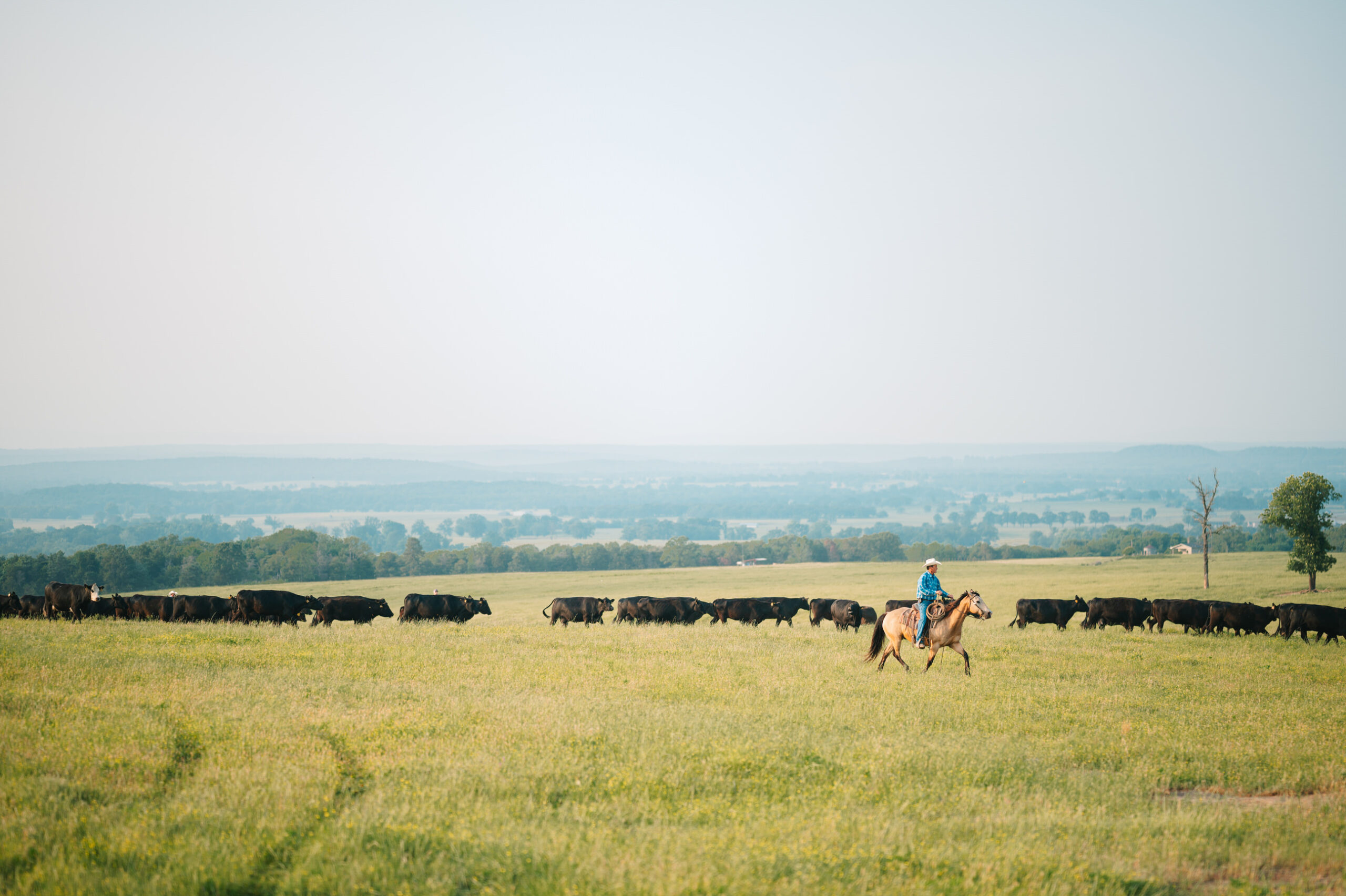
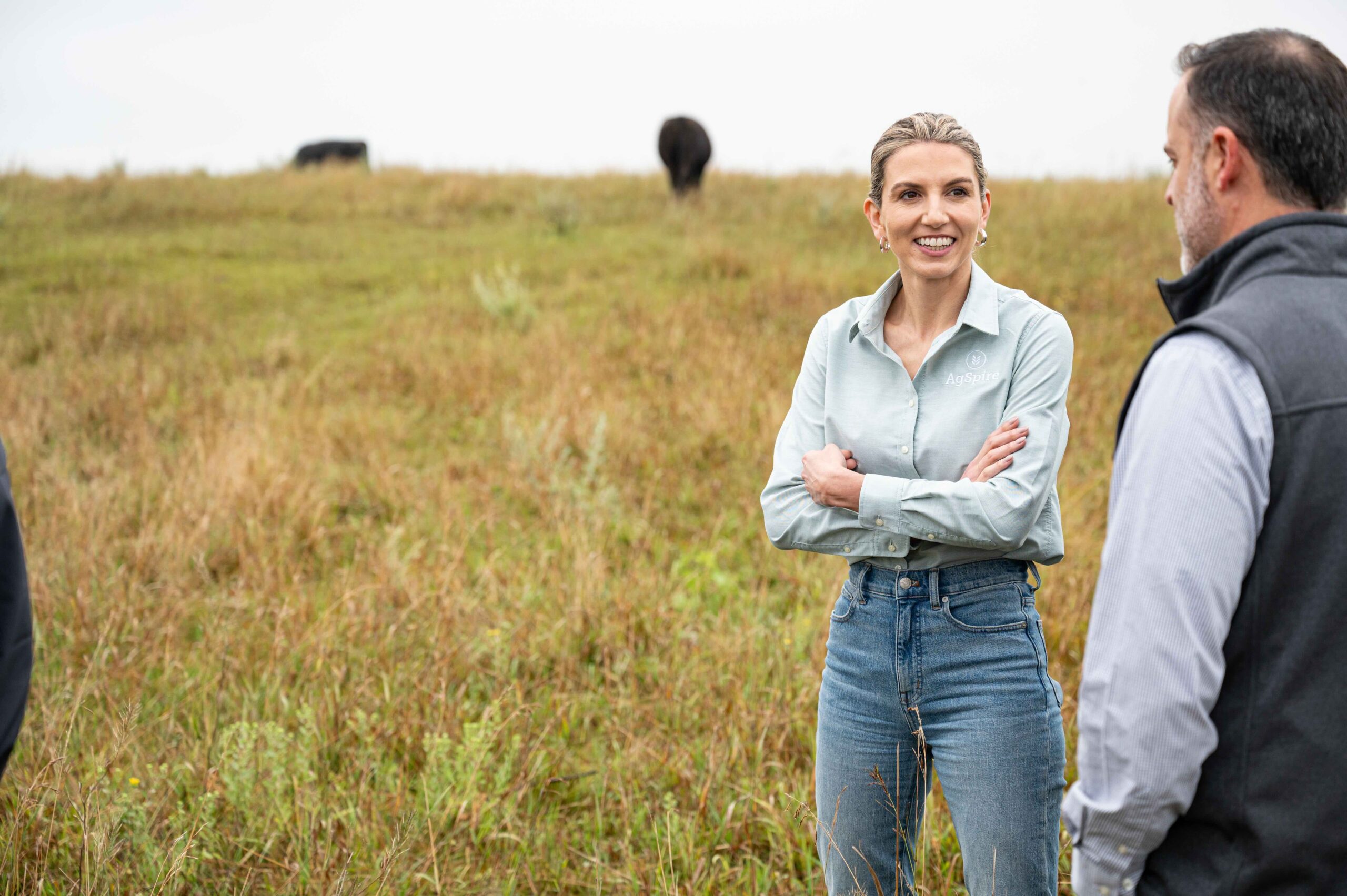
AgSpire works with producers to meet their goals and improve the supply chain.

Producer Perspectives

Pinto emphasized that sustainability only scales when it works on the ground. Programs designed without a deep understanding of operational realities including cash flow cycles, agronomic systems, labor constraints, family traditions, and risk exposure, rarely achieve scalable and durable adoption. Farmers and ranchers deal with a multiple of risk assessments, uncontrollable market and weather, and – rightfully so – are hesitate to take on high ambiguity programs and uncompensated risk. 

In recent years, the broader sustainability program space has shifted. Producers are asking sharper questions: 

  • What exactly is being asked of me? 
  • How does this impact my bottom line? 
  • Who shares the risk?? 
  • What does long-term commitment look like? 

AgSpire bridges the gap between corporate sustainability goals and on the ground results.

Corporate Expectations

At the same time, corporate expectations have grown. Companies are under pressure to demonstrate credible progress, measurable outcomes, and resilient sourcing strategies. That level of credibility requires more than high-level commitments. It requires programs built around producer economics and practical implementation. 

Pinto noted that while industry conversations have evolved incrementally, the biggest shift is happening in the marketplace itself. The broader narrative around sustainability is changing. There is less tolerance for broad commitments and more focus on resilience, especially the resilience of agricultural supply chains. Sustainability is no longer just about signaling intent. Companies are under increasing pressure to strengthen supply chains and show measurable outcomes all the way down to the farm level. 

The Solution

This shift presents a clear opportunity. Programs that are intentionally producer-centric, built with operational feasibility, technical support, and aligned incentives, are far more likely to scale and endure. When programs work for the people managing the land and livestock, adoption becomes practical, progress becomes measurable, and resilience becomes real. 

At AgSpire, this philosophy is foundational. The team works at the intersection of corporate goals and farm reality, helping design and implement programs that translate sustainability goals into measurable, on-the-ground progress. By aligning business objectives with producer viability, AgSpire supports supply chains that are not only more sustainable, but more secure. 

The takeaway for corporate teams is straightforward: if farmers struggle, sustainability stalls. When producers thrive, sustainability scales. 
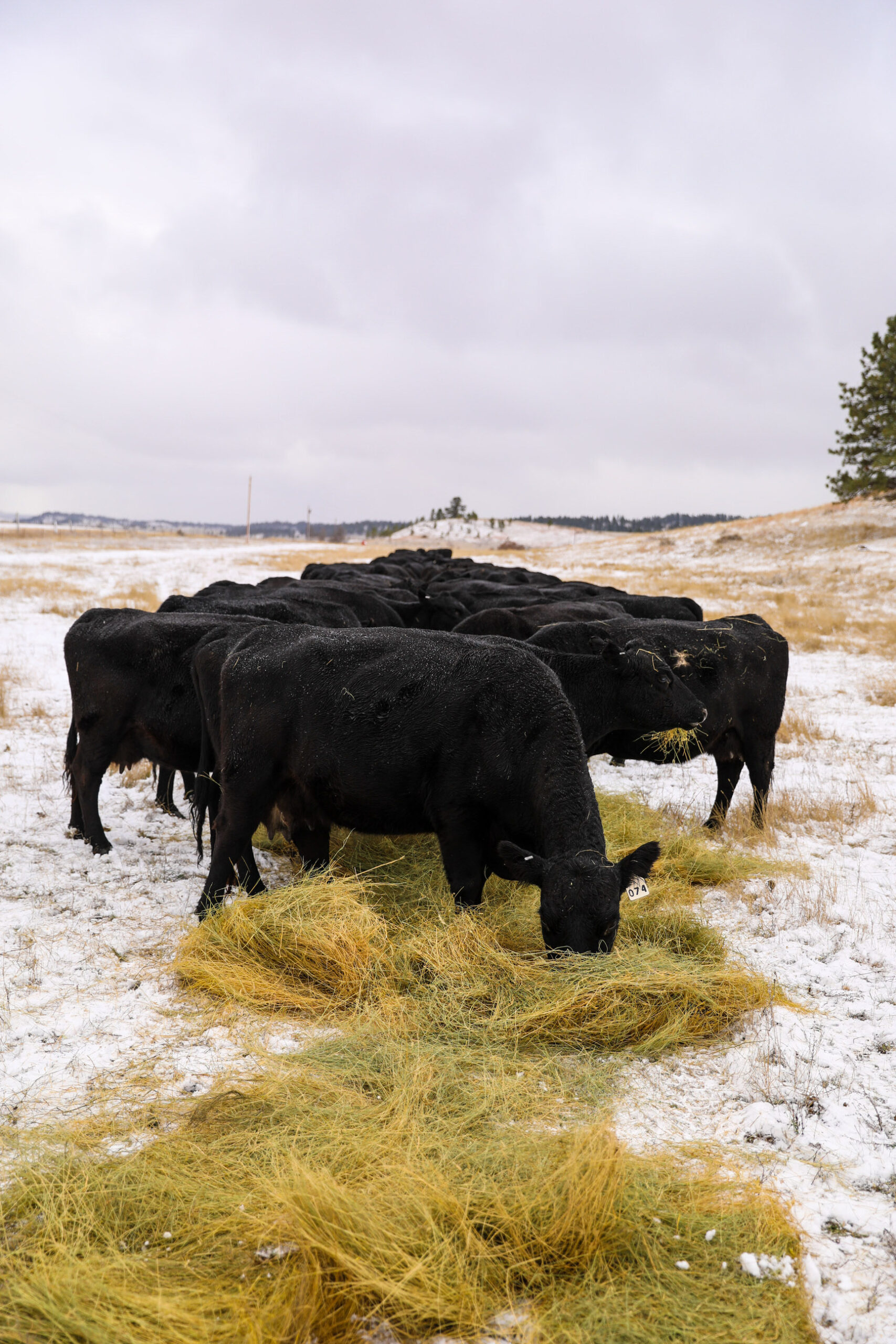
 

Nutrition Today Shapes Your Herd for Generations

By Sheridan Wilson, Technical Advisor

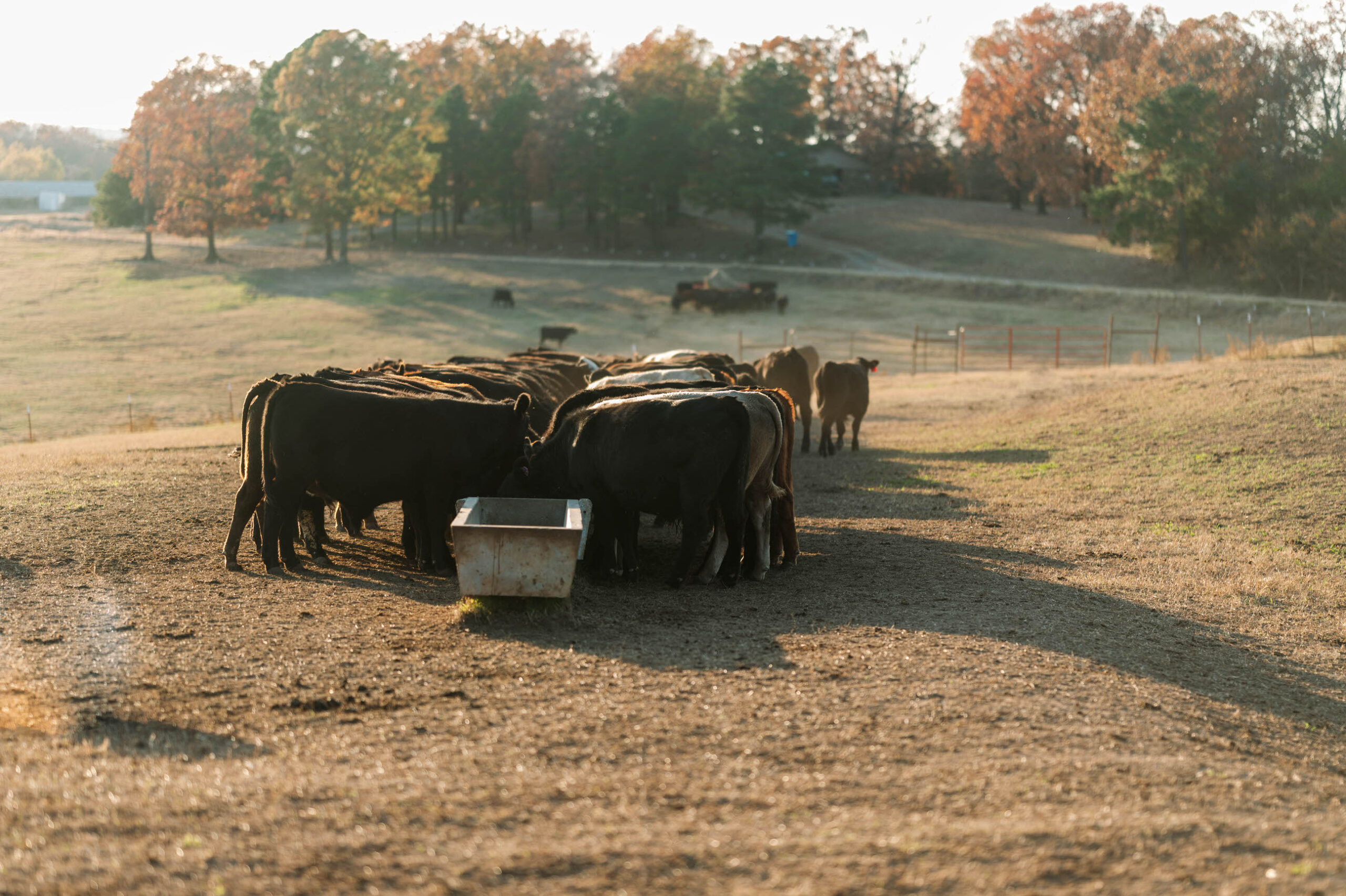
If you’ve been around this industry, you know you can’t fix nutrition problems overnight. What you feed today shows up later in conception rates, calf vigor, and how long those females stay productive in your herd. 

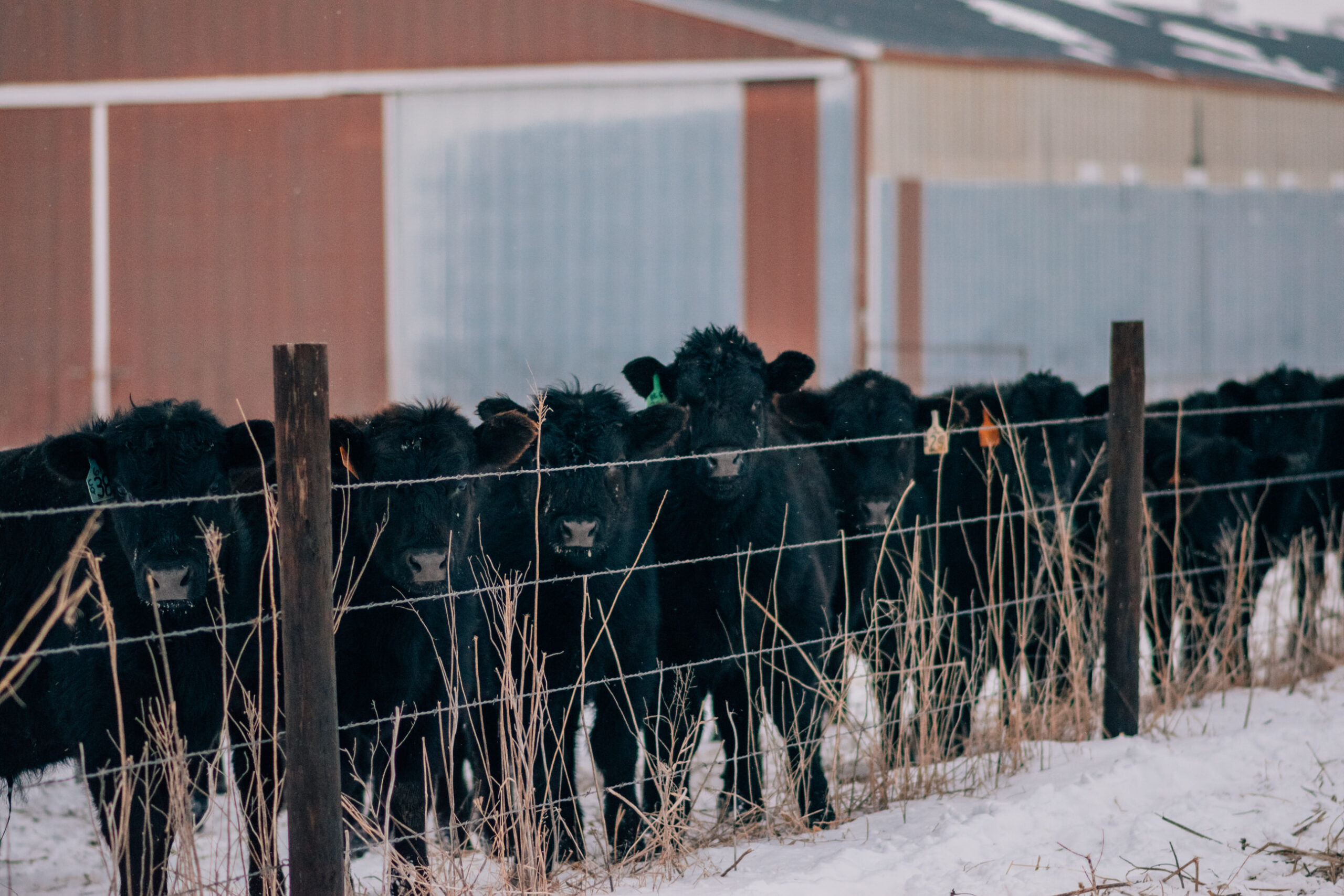
AgSpire helps producers get more with less

Good nutrition starts with being proactive in keeping your cows in shape. When cows hold body condition and meet their energy needs, they breed back better and perform better in the herd. The problem is, by the time you see a cow slip in body condition, especially in winter when cows have more hair, you’re already behind. At that point, catching her back up is expensive and often insufficient. Planning and focusing on body condition before winter/last trimester is less expensive and more effective. 

It’s a mistake to treat nutrition as a last-trimester issue. Yes, those final months are important for calf development, but the other months of the year are just as important for embryonic survival, calf immune development, calf muscle fiber formation, and cow fertility and breedback. Consistent, year-round nutritional support sets cows up to do what we need them to do: get bred, raise a big healthy calf, and stay in the herd.  

Cows are good at adapting to their environment. Body Condition Score (BCS) matters, but it’s not the whole story. If you are building up your cow herd, focus on selecting cattle that can adapt to your environment and have energy requirements matched to your feed resources. The cows that breed early every year and maintain condition may tell you more than a genomic test.   

 Providing ample feed for your cattle is crucial; underfeeding has long shadows. Research has shown that shorting first-calf heifers in their last trimester can hurt their performance for at least two years afterward.  These heifers displayed lower body weights and reduced milk production compared to their counterparts, even following their second parturition. On the flip side of feeding, more isn’t always better. Over-conditioned bulls, for example, often show poorer semen quality. New research shows that embryos fertilized by over-conditioned bulls had delayed embryonic development and were more likely to die before placentation. It is hypothesized that calves sired by fat bulls may actually have reduced average daily gains when they get to the feedyard.   

Bottom line: nutrition decisions stack up. When you invest in your herds’ nutrition today, you’re not just feeding this year’s calf crop. You’re building the next generation of your herd.  

Contact AgSpire today if you want to learn more about making proactive decisions for the nutrition of your herd.  


Additional Links

Herd Management Basics on AgSpire’s YouTube Channel >>> Link to Video 


Regenerative Agriculture: Restoring Balance

By Derek Ver Helst, Senior Agronomist

At its core, regenerative agriculture is understanding human activity, particularly in food and fiber production; it has the potential to either degrade or enhance the environment. It’s a process of aligning human activities with the natural cycles of unique and individual ecosystems.  

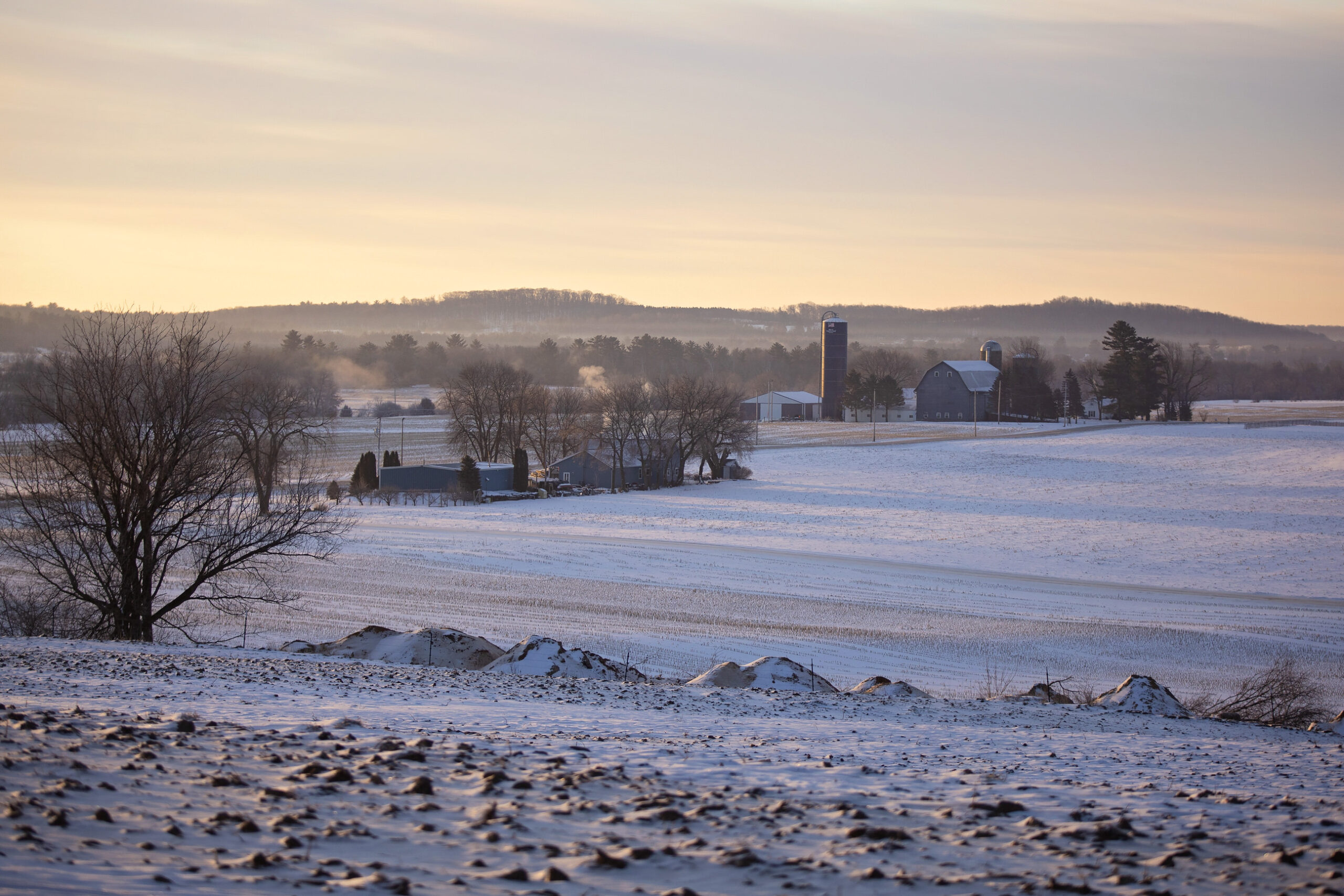
AgSpire helps producers get through winter

Conventional agriculture, in its current state, focuses on maximizing yields, often disrupting natural processes. Practices like monocropping, reliance on synthetic fertilizers and pesticides, and extensive tillage depletes water resources, reduces biodiversity, and diminishes soil health.     

Regenerative agricultural practices attempt to restore balance to natural systems by focusing on three general categories: 

  • Soil Health: Healthy soil is the foundation of any ecosystem. Practices such as cover cropping, no/reduced till, and the integration of livestock promote soil biodiversity, increasing organic matter content, and improving water retention. Beneath the surface, these changes create a thriving ecosystem that supports prosperity.       
  • Biodiversity: Monocultures lead to ecological vulnerability. Regenerative agriculture emphasizes crop diversity, intercropping, and agroforestry, which creates a more resilient and balanced system. Biodiversity supports beneficial insects, pollinators, and other organisms that contribute to the overall health of an ecosystem.     
  • Natural Systems: Instead of attempting to dominate and control natural processes, regenerative agriculture mimics these systems and cycles.  Nutrient and water cycles, and energy flow, are harnessed to produce the same, with less reliance on off-farm inputs.  

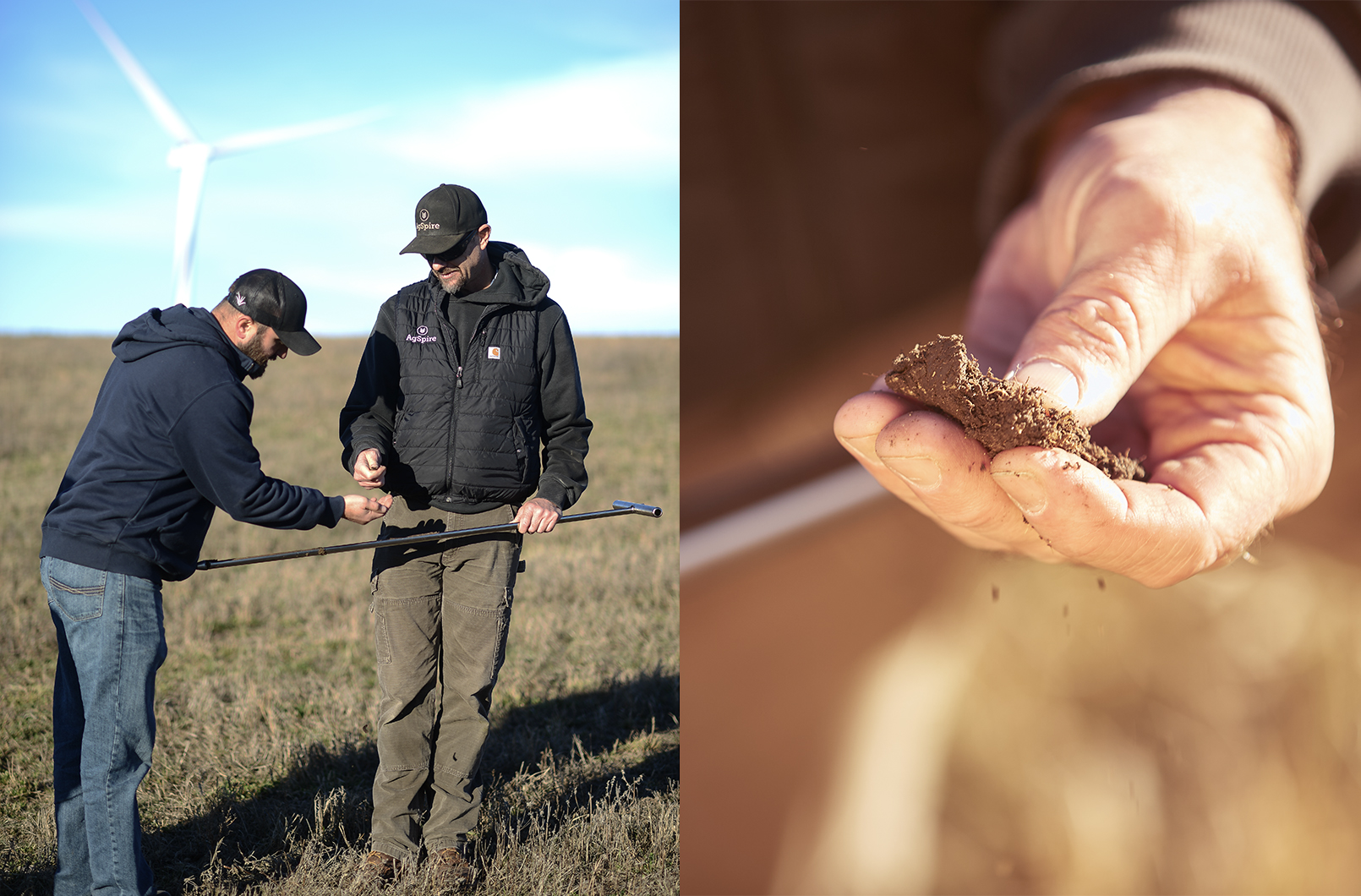
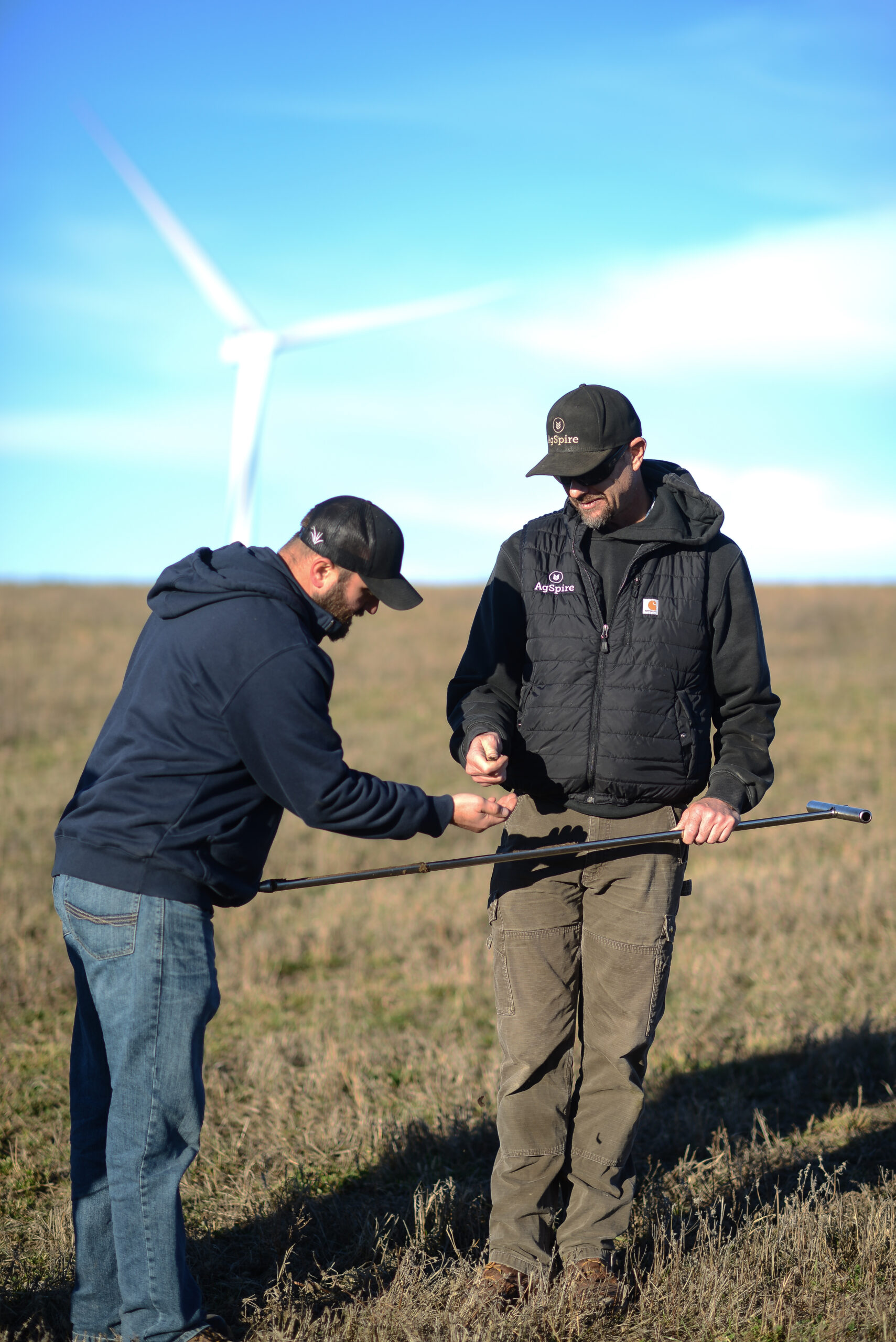
AgSpire works with farmers to promote soil health

Just as a high-performance sports car requires precise and delicate tuning for speed and handling, ecosystems require careful calibration to function optimally. Regenerative agriculture acts as the calibration process. By understanding and respecting the synergistic relationships in an ecosystem, we can create a sustainable food system that nourishes both humans and the environment. 

Regenerative agriculture is not just about producing food and fiber; it’s about restoring balance to a currently strained system. By embracing regenerative principles, we can recalibrate our relationship with the environment, creating a future where human activity enhances and builds sustainable, resilient, natural ecosystems.  

 Additional Links 

Learn more about soil health on AgSpire’s YouTube Channel >>> Soil Health 

Learn more about soil health at our ranching resilience workshops, Jan. 21 (Yankton) and Jan. 23 ( Aberdeen) >>> More information


Preparing for Winter: What Producers Need to Know

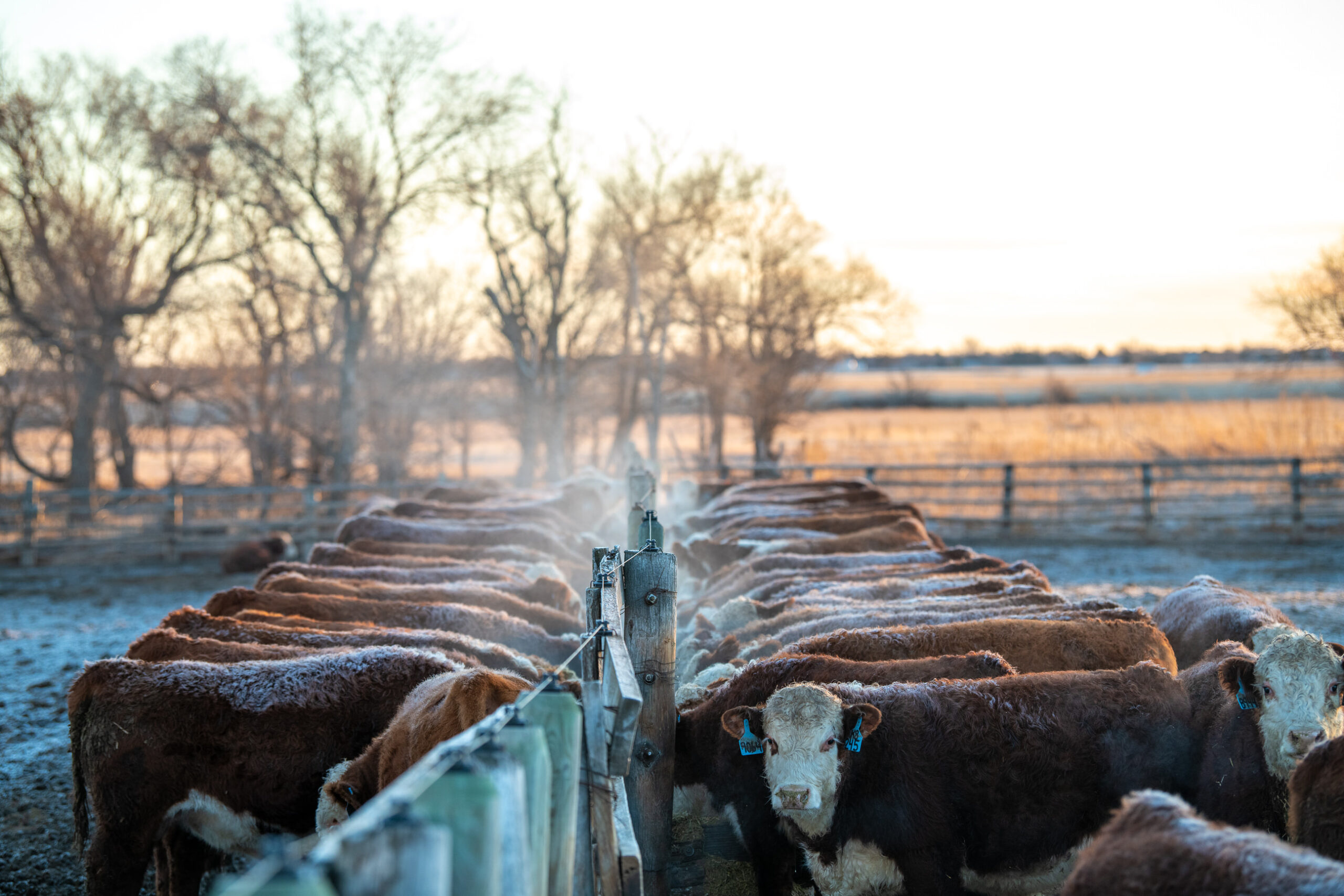
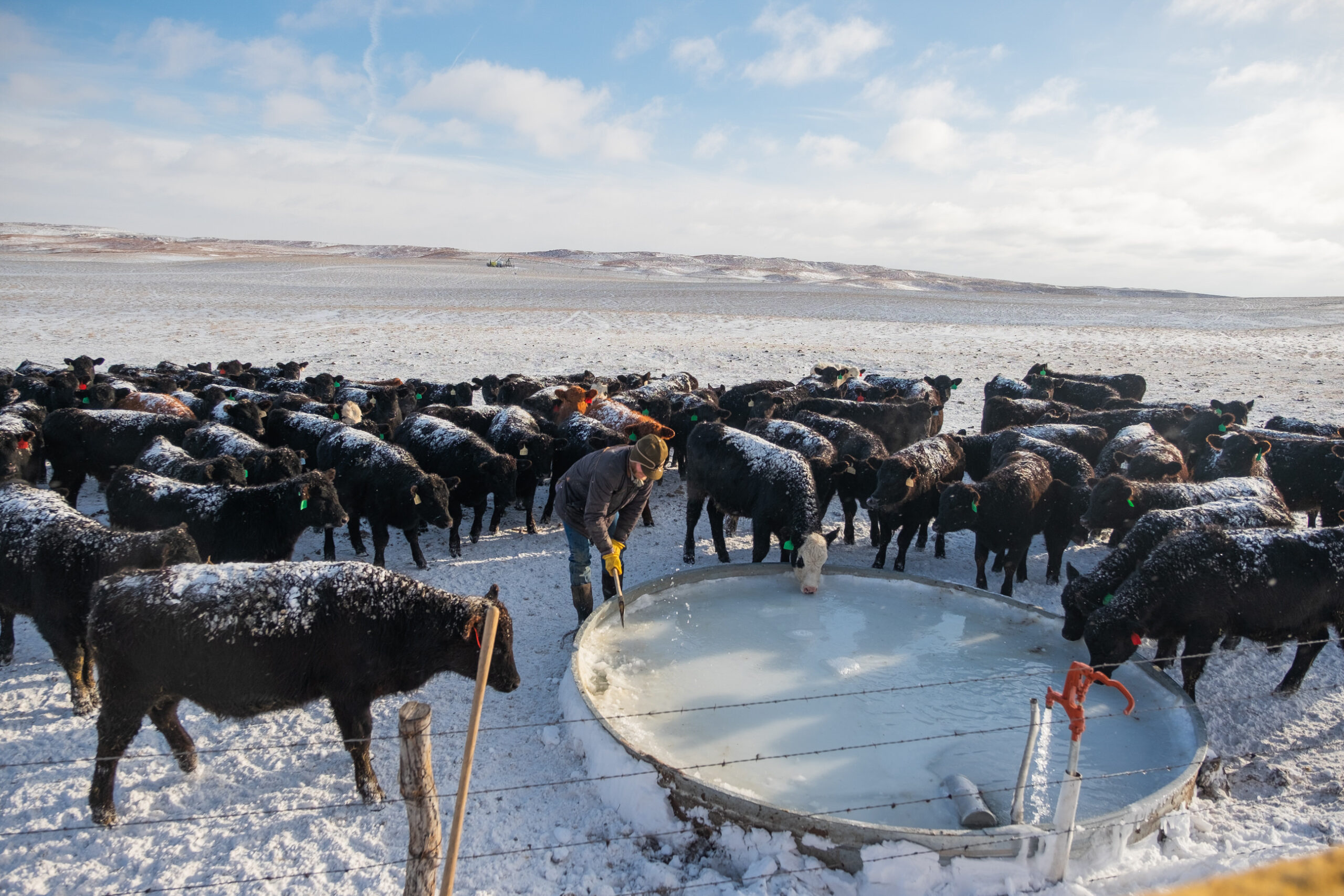
December hits fast in the Great Plains and Upper Midwest. One week you’re finishing fall work — the next, you’re breaking ice off tanks and watching the forecast shift toward single digits. Winter rarely offers much warning, and the operations that fare best are the ones that prepare early. 

If you haven’t already taken stock of the season ahead, now is the time. Here are five key points of technical assistance worth reviewing before winter sets in fully – along with how strategic planning today can reduce stress and protect forage, livestock performance, and long-term land health into 2026.

AgSpire can help producers prepare for winter

Know Your Feed Inventory – And Whether It Will Hold

Winter increases energy demand for livestock, and forage quality matters as much as volume. A quick inventory check now prevents shortages later. 

  • Test forage quality to determine supplement needs 
  • Consider crop residue, cornstalk grazing, or leased pasture to stretch supply 
  • Short on feed? Early decisions cost less than late-season scrambling 

Beat the Freeze Before It Starts

Frozen lines and dead heaters don’t wait for a convenient moment. 

  • Inspect tanks, hydrants, floats, and heat sources 
  • Confirm insulation and water access at remote sites 
  • Ensure power-outage backups are workable 

If water delivery fails in January, the margin for error is slim — a simple pre-check now is worth it. 

AgSpire can help producers prepare for the winter months

Ensure Livestock Have Adequate Wind Protection

Cattle tolerate cold well; wind and moisture are the bigger threat. A little structural support pays off immediately in energy retention and calf survivability. 

  • Evaluate windbreak integrity 
  • Repair bale or fence-panel shelter systems 
  • Ensure early-calving areas drain and stay dry 

Good protection reduces feed demand, stress, and risk.  

Protect Your Forage Base for Next Year

Grass may be dormant, but management decisions still count. Overgrazing now becomes lost yield later. 

  • Maintain residue for moisture retention + erosion control 
  • Rotate winter-grazing sites to protect stand vigor 
  • Supplement before ground cover is compromised 

Healthy forage in May starts with restraint in December. 

Winter-Proof Equipment & Emergency Systems

A slow-turning engine or an unplanned storm can turn into hours of lost time. 

  • Check engine warmers, fuel filters, and batteries 
  • Have winter-grade diesel, tire chains, and spare parts on hand 
  • Review blizzard plans: access routes, backup help, supply lists 

Preparedness saves time, fuel, and headaches. 

Winter can be hard on animals, AgSpire is here to help.

The Right Planning Makes Winter Manageable 

Winter is unavoidable — stress doesn’t have to be. Proactive planning keeps cattle fed, water flowing, equipment moving, and pastures protected for next year’s growth. 

At AgSpire, we help producers make decisions like these with confidence. From feed budgeting to grazing strategy and infrastructure planning, our technical advisors work alongside you to build solutions that fit your land, not a generic template. 


Ready to tighten up your winter strategy? Now is the time. 

Connect with AgSpire for technical assistance and winter planning guidance.
Let’s keep livestock performing, resources protected, and your operation resilient — this season and the next. 


A Growing Platform for Western Producers

In October AgSpire’s Director of Business Partnerships, Drew Slattery, spoke at the Expanding Markets Conference, hosted by the Western Sustainability Exchange. Nearly 200 producers and 50 industry professionals gathered to explore new market opportunities and strategies for resilient ranching across Montana and the Western U.S. 

AgSpire connects partners across the supply chain.

Panel Highlights: Why Are Food Companies Investing in Producer Programs? 

At the Expanding Markets Conference, Drew Slattery joined a panel with a producer from Prime Pursuits and two representatives from Walmart to address a central question on many producers’ minds: “Why are companies investing in programs like this?” The panelists explained that major corporations are increasingly committed to supporting American ranchers and farmers, not just for immediate business needs, but to ensure the long-term resiliency of their supply chains. 

As Drew Slattery shared, “Producers are often surprised that Food companies are investing in producer programs because of a mindset that companies don’t care and just want the cheapest beef possible. The reality is, these companies want to help keep ranchers ranching, and investing in producers is how they ensure they have beef to sell 20 years from now.” 

Representatives from Walmart and Prime Pursuits emphasized that their investment in producer programs goes beyond the bottom line. These initiatives help elevate beef production from a commodity industry to a specialized, value-driven business. By rewarding producers for quality and sustainability, these programs open new opportunities for ranchers of all sizes. 

Looking Ahead: Building Resilience Through Partnership  

The panel showcased how collaboration between producers and corporate partners is shaping the future of ranching. By investing in producer programs and prioritizing investing in US beef supply chains, companies like Walmart and Prime Pursuits are helping ranchers build resilient operations and unlock new market opportunities. As these partnerships continue to grow, producers are better positioned to thrive in a changing agricultural landscape. 

To watch the full panel, please click HERE

Interested in more information about how AgSpire connects partners across the supply chain, please click here

Maximize Late-Season Grazing with Cover Crops and Corn Residue 

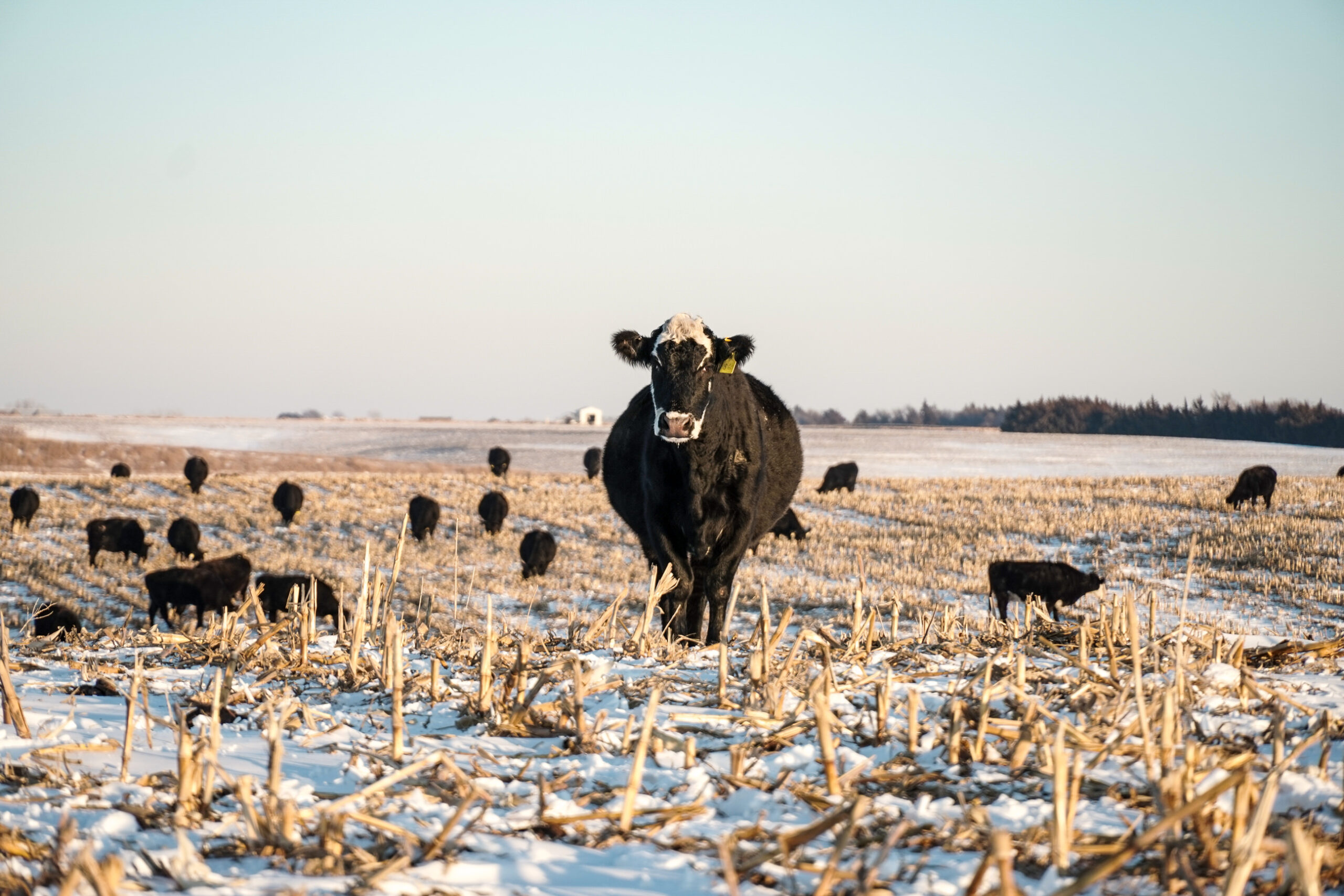
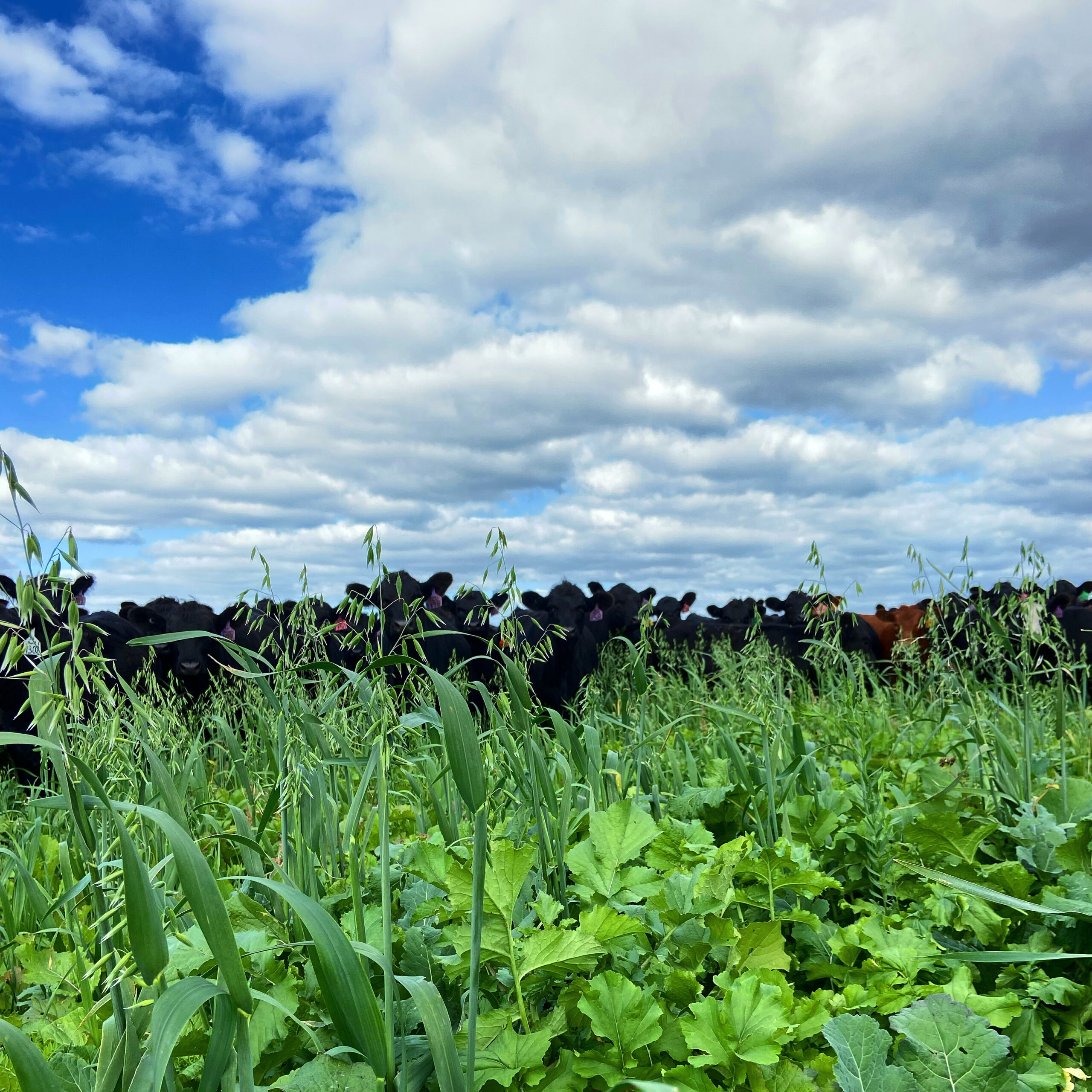
Winter is approaching, spring calves are weaned, and nutrition is top of mind for many beef producers. Extending the grazing season by utilizing crop residue and cover crops is a strategy to maintain or boost body condition score while reducing reliance on stored or purchased feed. Keeping cows grazing home-raised forage longer also gives perennial pastures a much-needed rest, and is an approach producers are using successfully. 

With a few management tips and Technical Support from AgSpire, you can make the most of this feed source. 

AgSpire helps extend the season for producers.

Corn Stalks + Cover Crops: A Winning Combination 

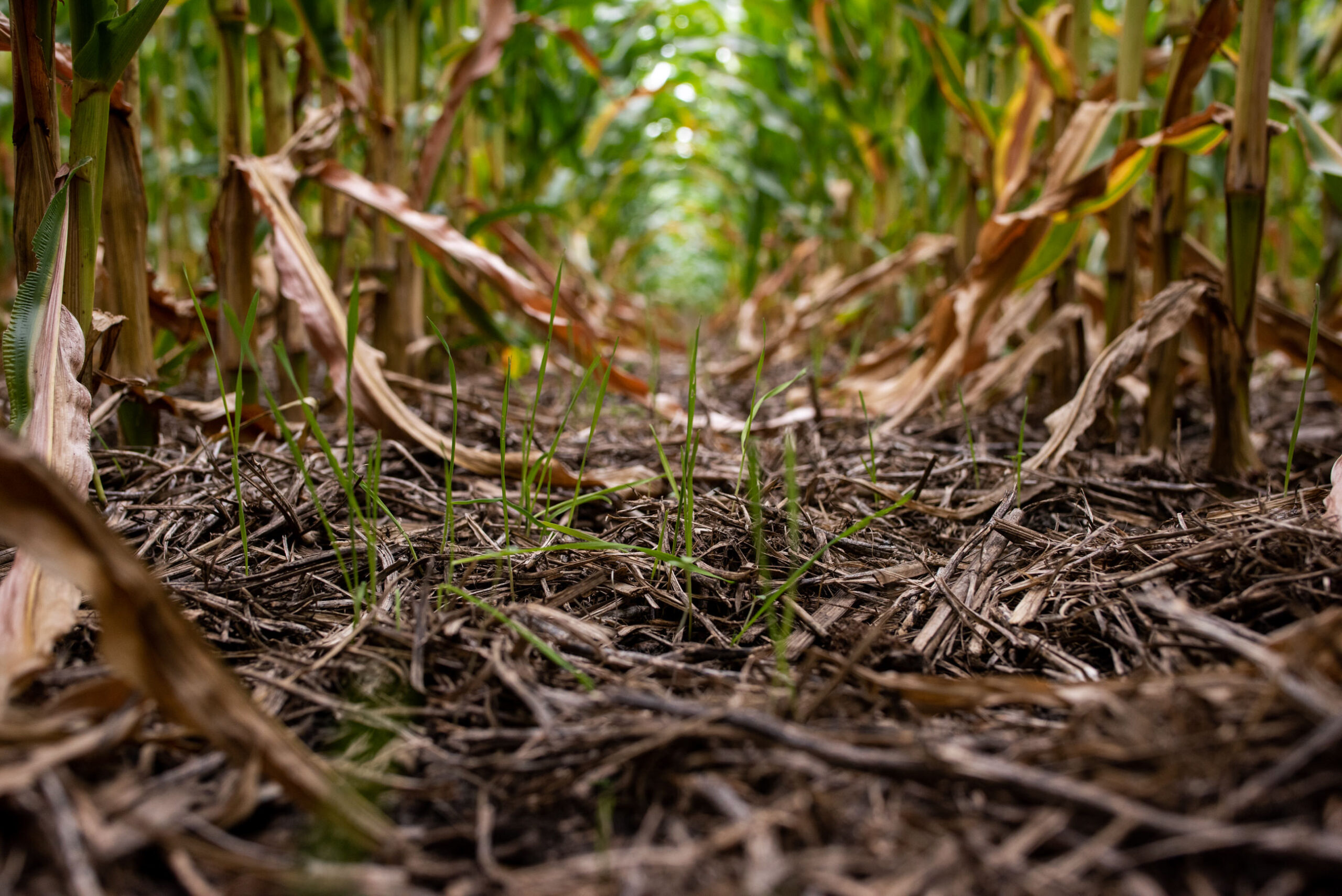
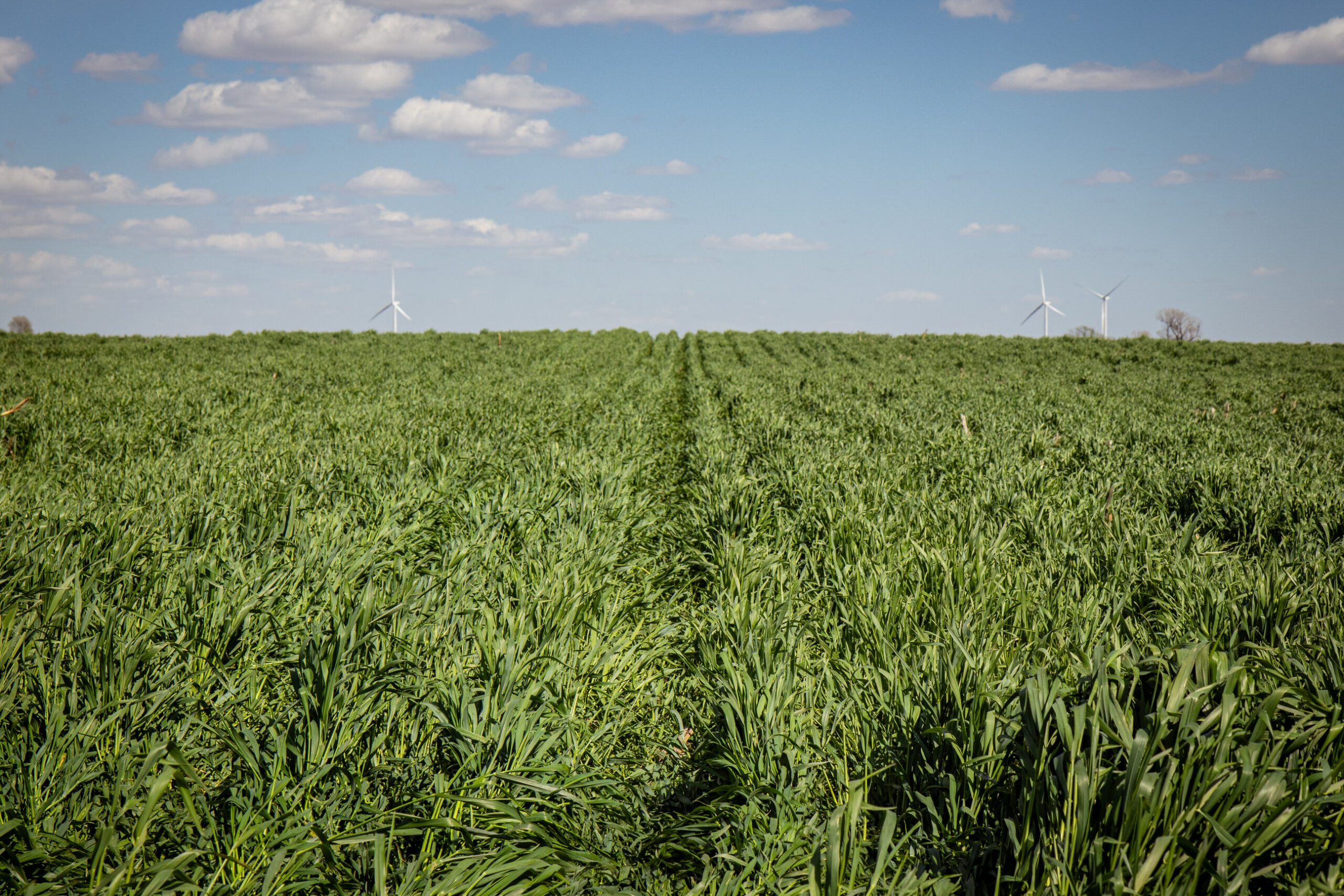
One of the most effective ways to extend grazing and cut hay costs is turning cattle out on corn stalks interseeded with a cover crop like cereal rye. After harvest, corn residue alone provides a valuable feed source, but adding rye significantly boosts forage quality and quantity. Begin grazing corn stalks as soon as fields are dry enough to prevent compaction. If rye was interseeded, allow 6 to 8 inches of growth before grazing to avoid overgrazing and ensure regrowth potential. 

  • Research shows interseeding rye into corn can provide an additional 42.5–52.6 animal unit days per acre without reducing corn grain yield under normal conditions (Iowa State University Extension).  
  • Cereal rye offers 8–13% crude protein and 53–63% total digestible nutrients (TDN) when grazed at the boot stage (University of Nebraska Extension). 

A Simple Addition

While single species cover crops like rye can help extend your grazing season, adding brassicas can supercharge fall grazing. These species produce lush leafy growth and energy-rich bulbs that cattle find highly palatable. Planting covers is typically recommended to be done in late July through early September so the plants have time to develop enough biomass before frost. Target grazing brassicas after a light frost (to improve palatability), but before severe frost. Strip grazing can help manage intake and reduce waste.  

  • Brassicas can deliver 12–20% crude protein and support gains of up to 2 pounds per day on backgrounding calves when managed correctly (University of Wisconsin Extension).  
  • For best results, seed cover crops as soon as possible to get the most biomass for grazing. This may mean interseeding into corn before silage or grain harvest or drilling right behind the combine 

AgSpire helps reduce feeding costs.

Beyond forage value, brassicas offer significant soil health advantages: 

  • Compaction Reduction: Radishes develop deep taproots that penetrate compacted layers, while turnips form large bulbs that loosen topsoil.  
  • Nutrient Scavenging: Brassicas capture residual nitrogen and other nutrients, reducing leaching and improving nutrient cycling for the next crop.  
  • Weed Suppression: Rapid canopy growth inhibit weed germination, reducing pressure in subsequent crops.  
  • Enhanced Soil Biology: Decomposing roots add organic matter and stimulate microbial activity, improving soil structure and resilience.  

Extending more than the Grazing Season

When combined with rye or other cereals, brassicas create a diverse root system that improves water infiltration, aeration, and overall soil health. This diversity also helps maintain soil cover through winter, reducing erosion and protecting soil health long-term. Brassicas typically winterkill, so they won’t compete with spring crops, while rye overwinters to provide early spring grazing. 

There are also economic benefits to planting and grazing cover crops. Feed is one of the largest yearly expenses for cattle producers, and an area where finding ways to decrease spend, can have a big impact on the bottom line. Utilizing cover crops reduces days fed or supplemental feed and can increase calf gain over grazing corn stalks alone.  

To learn more about how AgSpire can help with integrating cover crops and grazing strategies for maximizing their use, visit AgSpire.com, email us at info@agspire.com, or call / text (605) 675-7255, and someone from the team will be in contact.  

Additional Links

Learn more on YouTube >>> Nutrient Management 

Follow us on Facebook >>> AgSpire Facebook

5 Benefits of Technical Assistance for Farmers and Ranchers

In today’s fast-changing agricultural landscape, producers are being asked to do more than ever before. Balancing productivity, profitability, and sustainability can feel overwhelming—especially with new programs, emerging technologies, and market demands evolving so quickly. That’s where technical assistance comes in.

Whether you’re navigating conservation practices, livestock management strategies, or soil health improvements, technical assistance provides the support you need to make confident, informed decisions. Here are five key benefits of working with a trusted technical assistance provider.

AgSpire works with farmers and ranchers by providing technical assistance and incentive payments

Expert Guidance Tailored to Your Operation

Every farm and ranch is unique. What works for one producer may not work for another. With technical assistance, you gain access to experts who take the time to understand your operation and provide recommendations tailored to your specific goals, resources, and challenges. This personalized approach saves time and reduces the risk of costly trial-and-error.

Access to the Latest Tools and Programs

From federal cost-share programs to emerging private-sector initiatives, it can be tough to keep track of what’s available. Technical assistance providers stay up to date on funding opportunities, new technologies, and market incentives, helping you tap into resources that can offset costs and accelerate progress on your operation. 

AgSpire works with farmers to improve profitability through regenerative practices Increased Efficiency and Profitability

Technical assistance doesn’t just focus on conservation or compliance; it’s also about improving your bottom line. By optimizing grazing systems, improving soil health, or streamlining resource use, producers often see stronger yields, healthier livestock, and lower input costs. That efficiency translates into greater profitability over time.

Confidence in Decision-Making

Implementing new practices or programs can feel risky. With technical assistance, you have a partner who provides clear data, real-world examples, and step-by-step support. That confidence allows you to move forward with practices that align with both your operational and financial goals.

AgSpire works with farmers and ranchers to improve their operations

Long-Term Resilience

Technical assistance isn’t just about solving problems today, is about setting your operation up for success tomorrow. By focusing on soil health, water quality, and resource management, you’re building resilience against weather extremes, market shifts, and long-term challenges. That sustainability benefits your land, your business, and the next generation. 

Ready to See the Benefits of Technical Assistance Firsthand? 

At AgSpire, our team of technical advisors works alongside farmers and ranchers to design practical, profitable solutions that fit their unique operations. Enrollment for 2026 programs is open; here is your chance to have access to technical assistance and incentive payments for your operation. Start your producer profile today! 

Additional Links

Learn more on YouTube >>> Meet our Technical Advisors on YouTube 

Read more >>> Producer Case Study: Restoring Land, Restoring Values 


Producer Profile

Address(Required)
To help match you with the best programs, please select all commodities you’ve grown in the last five years.
To help match you with the best programs, please select all types of livestock you’ve raised in the last five years.
Please approximate total acreage owned and/or leased to the best of your knowledge, including acres out of production or in conservation.
Please estimate your average herd size over the last five years.
What, if any, sustainable or regenerative practices have you utilized in the last five years?
What sustainable or regenerative practices are you interested in trying or expanding in the next five years?
Do you have interest in a specific program managed by AgSpire? May select more then one.
Have you participated in a government, NGO, or private-market cost-share, incentive, or carbon credit program?
To help match you with program opportunities, please select any of the following that apply, or select unsure:
Historically Underserved, includes:

  • Limited Resource Farmer or Rancher: With direct or indirect gross farm sales not more than the current indexed value in each of the previous two years and who has a total household income at or below the national poverty level for a family or four, or less than 50 percent of county median household income in each of the previous two years.
  • Socially Disadvantaged Farmer of Rancher: Individual or entity who is a member of a group whose members have been subject to racial or ethnic prejudice because of their identity as members of a group without regard to their individual qualities, which may include: American Indians or Alaskan Natives, Asians, Blacks or African Americans, Native Hawaiians or other Pacific Islanders, Hispanics. For an entity, at least 50 percent ownership must be held by socially disadvantaged individuals
  • Beginning Farmer or Rancher: Has not operated a farm or ranch, or who has operated a farm or ranch for no more than 10 consecutive years and who will materially and substantially participate in the operation of the farm or ranch.
  • Female Farmer or Rancher: at least 50% female ownership
  • Veteran Farmer or Rancher: Served in the United Sates Military and was released from service under conditions other than dishonorable and has not operated a farm or ranch, or has operated a farm or ranch for no more than 10 years
  • Small Producers: Generally those with less than $350,00 in annual gross cash farm income

Producer Case Study: Restoring Land, Restoring Values

For Brady Wulf of Clear Springs Cattle Company in Minnesota, the goal for his operation has always been simple: improve the land to improve the operation. But finding the right support to achieve that goal, without getting lost in red tape, wasn’t easy. 

Shared Values, Shared Vision

Brady first heard about AgSpire at a local field day, where one of AgSpire’s founders shared about the company and how we work with producers. The values behind AgSpire — focusing on regenerative practices from the ground up and emphasizing farm productivity — matched Brady’s own philosophy about stewardship, soil health, and sustainability. He soon signed up with AgSpire and enrolled in the Grass is Greener program.  

AgSpire works alongside farmers and ranchers to put regenerative agriculture into action in ways that make sense for their land and operation. Through free incentive programs and technical assistance, we focus on practical regenerative agriculture strategies that improve soil health, boost productivity, and keep operations profitable for the long haul. 

Turning Producer Goals into Action 

“Our main goals included pasture restoration, improving soil health, and providing quality feed for our livestock,” Brady explained. “AgSpire made it feel like we could actually overcome challenges like weather and still make those goals happen.” 

For Brady, the program offered more than just a new approach — it offered meaningful support to enhance the practices that were improving his operation.

“We were already using cover crops, but by working with AgSpire it worked a lot better for us due to the cost assistance. We were able to cover more acres than ever before and improve our land at a greater rate,” he said. 


VIDEO

Hear from Brady

For Minnesota rancher Brady Wulf, family and land go hand in hand. But challenges like limited land availability made it hard to expand grazing and improve pastures. In this short video, Brady shares how AgSpire’s Grass is Greener program offered something different: practical support, cost-share incentives, and even premiums for his cattle. Most importantly, AgSpire simplified the process, cutting through the paperwork and making it easy to put new practices in place during a busy farming season.

Incentive Programs that Prioritize Producer Success

In the past, Brady had explored other regenerative agriculture programs that promised to help producers capture the value of their land. But most felt disconnected. They were overly complex or seemed focused on selling carbon credits to outside companies with no understanding of his land, livestock, or operation. 

“That’s where Grass is Greener was different,” Brady shared. “We were improving the value of our land and cattle, not just selling carbon credits to a company that’s never seen our place or worked for it.” 

AgSpire works across the food and agriculture industries to design and implement sustainability solutions that deliver resilience on farms and throughout the value chain. We focus on promoting progress on the ground to ensure every point in the value chain can be profitable and resilient.  

A Trusted Advisor for Guidance You Can Count On

Every producer who works with AgSpire partners with an advisor to brainstorm solutions when challenges come up. For Brady, that advisor is Cole Baloun.

“Brady is so great to work with due to his open-mindedness and his progressive thinking,” explained Cole. “When producers are open to new ideas, we can brainstorm together and find innovative practices that deliver the maximum benefit to their operation.”

With AgSpire’s support, Brady enrolled in all three practices under the Grass is Greener program: cover cropping, forage plantings, and range plantings. The benefits quickly followed after enrolling.

Clear Springs Cattle Co is a participant of AgSpire programs

Seeing Results Where it Matters

“The results are just starting to take off,” he said. “The first year was slow visually, but now going into year two, you can see the crops looking good, improving soil quality, and providing more grazing land.”

One challenge that had stumped Brady in the past was establishing warm-season grasses in certain areas, especially where soil type and weather made establishment difficult. That’s where AgSpire stepped in again — with tailored guidance and technical support.

“They helped us figure out what crops would work best in those problem areas—and they helped make it affordable,” said Brady. “I appreciated the way they handled all the back-end work too. The paperwork and workflow were easy with AgSpire.”

Expanding into New Opportunities

As for what’s next, Brady’s not slowing down. He’s already looking ahead to other opportunities with AgSpire, including the Covering America program. 

“We’re always looking for a better way,” he said. “And I think that better way will involve expanding into other AgSpire programs to help diversify our crop rotation.” 

For us at AgSpire, that’s the goal: putting producers first, seeing their progress come to life.  

“And that is the best part,” explained Cole. “Being able to talk to producers from across the Great Plains and help them make their operation more efficient and resilient is the coolest part of being a part of AgSire.”  

The Right Support for the Right Path Forward

Looking back, Brady says the most important lesson he’s learned is to surround yourself with people you trust — especially when navigating modern programs and policies. 

“AgSpire has a great group of people to work with,” he said. “There’s so much information out there that it’s easy to get lost. AgSpire helped us cut through the noise.” 

Ready to work with a team that understands your land, your goals, and your challenges?

Let’s build healthier land and stronger operations, together.
Call or text 605.675.7255 or fill out the form below and one of our advisors will be in touch.


VIDEO

Hear from Advisor Cole Baloun

Growing up in agriculture, AgSpire advisor Cole Baloun always valued the information and help that trusted advisors delivered. Today, through his work with producers like Brady, Cole hopes to be that kind of trusted advisor to other producers. Hear more about how he works with producers in this short video.

Get Started

Cover Crops & Nutrient Management: A Blended Approach

At AgSpire, we work alongside farmers and ranchers to identify practices that strengthen their operation’s efficiency, productivity, and longevity. One of the most effective we see in action on the ground is cover cropping. 

When planned carefully, cover crops do more than fill time between cash crops. They actively manage nutrients by capturing, cycling, and returning them to the soil, so fertilizer dollars stretch further and soil health improves year after year. 

In this article, we share how the link between cover crops and soil nutrients can benefit your land, livestock, and business. 

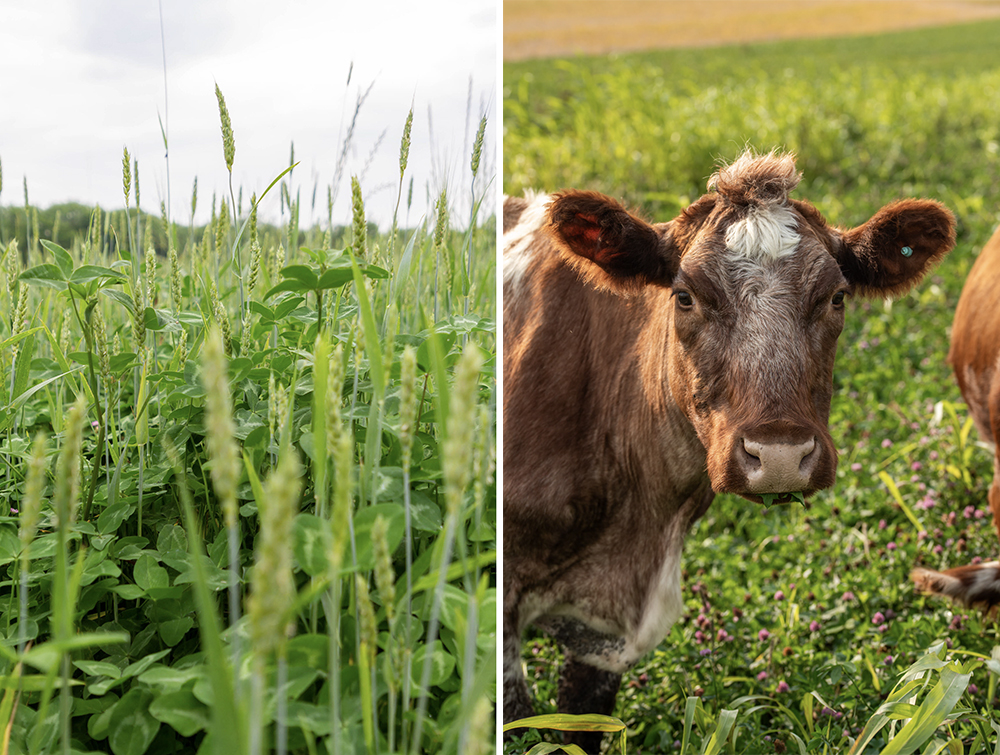
Clover and rye mixed cover crop; and cattle grazing diverse cover crop blend. Cover crops can provide multiple benefits to the land. Contact AgSpire today to learn more about how cover crops can help your operation

A Benefit to the Land 

In the upper Great Plains, declining soil productivity is a major challenge. Cover crops help reverse that trend by rebuilding soil health and restoring balance. 

  • Fixing Nitrogen: Legumes such as common vetch and Balansa clover capture nitrogen from the air and hold it in their tissue. As that residue breaks down, the nitrogen moves into the soil and becomes available to the following cash crop. Nitrogen your crop picks up that way is nitrogen you do not have to buy. 
  • Recovering Nutrients: Deep-rooted crops like radishes and turnips pull nutrients from deeper soil layers, making them available to the next cash crop instead of losing them to leaching. 
  • Holding Nutrients in Place: Keeping fields covered stabilizes soil and nutrients, supporting microbial activity year-round and preventing loss from bare ground. 
  • Moving and Holding Water: Living roots keep soil open so rainfall soaks in instead of running across the surface. Runoff carries nutrients off the field with it. Soil that takes water in and holds it keeps nutrients within reach of the roots, and nutrients sitting in dry soil are not available to the crop no matter how much is there. 
  • Suppressing Weeds: A cover crop stand takes the space and light weeds need to get established. Weeds compete for the same nutrients the cover crop just cycled, so holding them back puts those nutrients in your cash crop instead. 
  • Breaking Pest Cycles: Working cover crops into the rotation interrupts pest and disease cycles that build under continuous cropping. A root system damaged by pests cannot take up what the soil is holding. 

Each of these actions improves nutrient cycling and builds healthier soil, which can reduce the need for additional fertilizer inputs. 

A Benefit to Livestock 

In our programs, most cover crops are grazed or hayed. Producers select mixes that offer strong forage value and good nutrition. 

Cattle trampling biomass into the ground and returning nutrients through manure accelerates the natural fertilizer cycle. Instead of nutrients being lost, they are recycled back into the soil, cutting the need for additional inputs while improving forage availability for the herd. 

This makes cover crops a dual-purpose tool. They support both soil and livestock health while strengthening the overall crop rotation system. 

A Smarter Business Decision 

Cover crops are more than a soil health practice; they’re a smart business decision. By improving nutrient availability and reducing fertilizer dependence, cover crops directly support the bottom line: 

  • Lower reliance on synthetic fertilizers and herbicides. 
  • Reduced feed costs when used as forage. 
  • Extended grazing season and fewer purchased hay bales. 

Over time, a good crop rotation strategy with cover crops can protect your bottom line and increase operational resilience. 

Ready to put cover crops to work? 

If you’re curious about how a crop rotation plan with cover crops could benefit your operation, we’d love to help. Fill out the form below or call/text 605.675.7255 to get started. 

Additional Links 

AgSpire Advisor Austin Knight shares more about nutrient management in this short video >>> AgSpire YouTube Channel  

Learn more about soil health and its benefits for your operation >>> Soil Health: A Practical Advantage for Your Farm 

Fall Forage Planning: From Covers to Native Pastures

By Sheridan Wilson, Technical Advisor, Grazing Systems

As the seasons shift, so do the priorities on every operation. Grazing management doesn’t stop with summer. Fall can be one of the most valuable seasons for extending the grazing window and reducing input costs.

Grazing fall forages can help reduce hay and feed costs, improve soil health, and give native perennial pastures a chance to rest and recover. Wintering perennial pastures also boosts pasture health by decreasing bare ground and utilizing senesced grass at a time when cattle nutrient requirements are low.

To help make the most of your fall grazing window, we’re breaking down a few key strategies — from planting fall cover crops to managing perennial forages and putting native pastures to work.

Annual Fall Covers

Planting annual fall cover crops is a practical way to increase forage availability and support soil health heading into the cooler months.

Timing

To get the most out of your cover crop investment, timing is everything.

Start by identifying your average first frost date. For best results, aim to seed your cover crop 45–60 days before a hard frost, while keeping soil moisture conditions in mind. Early planting is especially important if you plan to graze the cover. Giving the crop enough time to establish ensures a better return.

Frost dates and growing windows vary by region. As the chart shows, producers in Eastern South Dakota, Eastern Nebraska, Eastern North Dakota, and most of Iowa and Minnesota typically have a longer planting window. Meanwhile, Western South Dakota, Western Nebraska, and Western North Dakota face a more moderate timeline. Montana and Wyoming have shorter growing seasons due to higher elevation, so acting early is even more critical in those areas.

Species Selection

Next, it’s important to select species that support your operation’s goals and weather conditions. Cereal grains like oats, rye, triticale, or barley provide biomass and tolerate cold well. Brassicas like radishes, turnips, or kale improve soil health, grow fast in cool conditions, and provide high-protein forage. Annual legumes like clovers and peas add protein and fix nitrogen. Keep in mind that some species, like rye and hairy vetch, overwinter and may need spring termination.

As they say, variety is the spice of life. And, that’s true of your soil, too. A mix of these species provides the best forage quality and soil benefits.

Table 1: Planting Windows for the Great Plains

Frost and seeding dates differ for everyone, but this chart shows a general timeline of when to plant, depending on the species you choose.  

Eastern SD, ND, NE and IA, MN Western SD, NE, ND MT & WY
Oats: Fast, high-quality forage; winterkills
Spring: Mar 15–May 1
Fall: Aug 1–Sept 15
Spring: Mar 15–May 1
Fall: Jul 25–Aug 25
Spring: Apr 1–May 15
Fall: Jul 15–Aug 15
Spring Triticale: High biomass potential; quick to mature
Spring: Mar 15–May 1
Fall: Aug 1–Sept 15
Spring: Mar 15–May 1
Fall: Jul 25–Aug 25
Spring: Apr 1–May 15
Fall: Jul 15–Aug 15
Winter Rye: Excellent cold tolerance; spring forage
Aug 15 – Oct 10 Aug 15 – Sept 15 Aug 10 – Sept 5
Winter Wheat: Grain or spring grazing; limited fall forage
Sept 1 – Oct 10 Aug 15 – Sept 15 Aug 10 – Sept 5
Radish: Great compaction breaker; fast growth
Aug 1 – Sept 5 Jul 25 – Aug 20 Jul 15 – Aug 10
Turnips: Excellent fall grazing; needs early start
Aug 1 – Sept 10 Jul 25 – Aug 20 Jul 15 – Aug 10
Rape / Kale (Brassicas): Cold-hardy brassicas; works in mixes
Aug 1 – Sept 10 Jul 25 – Aug 20 Jul 15 – Aug 10
Peas / Vetch (Annual Legumes): Adds protein and fixes nitrogen
Spring: Mar 15–May 1
Fall: Aug 1–Sept 15
Spring: Mar 15–May 1
Fall: Aug 1–Sept 15
Spring: Apr 1–May 15
Fall: Jul 15–Aug 15
Barley: Tolerates cool soil but not frost
Mar 15 – May 1 Mar 15 – May 1 Mar 15 – May 1
Millet: Needs >60°F soil; frost-sensitive
Jun 1 – Jul 15 Jun 1 – Jul 15 Jun 1 – Jul 15

Perennial Forages

Utilizing perennial forage crops is another great way to open the door to new grazing opportunities in the fall – especially if a stand was planted this spring or hayed and allowed to regrow.

Grazing Options for the Fall

  • Alfalfa and alfalfa-grass mixes can be grazed after freezing, but monitor frequently for bloat.
  • Cool season forage grasses like meadow brome may green up in the fall, providing high-quality forage. Avoid grazing too heavily while the plants are still green by leaving 6-8″ of regrowth going into winter to maintain adequate energy stores and prevent winterkill.

Looking Ahead

Fall is also a great time to do frost seedings or plan for next spring’s forage plantings. Many species require vernalization and fall planting helps set next year’s forage stand up for success while using a grazing management plan and incorporating regenerative grazing.

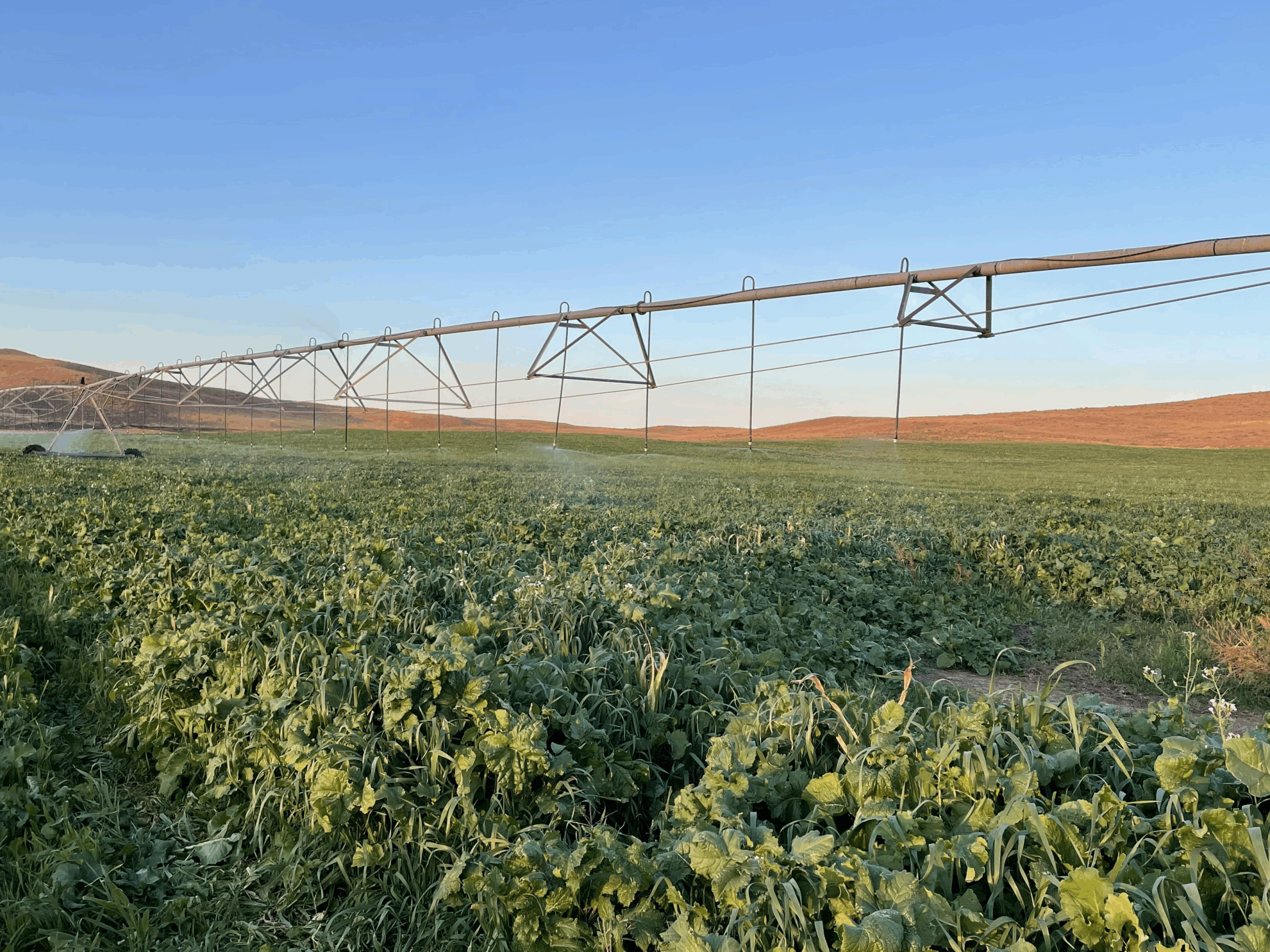
Pivot pasture in the fall. AgSpire can help build a grazing management plan to build your forage in fall.

Native Pastures

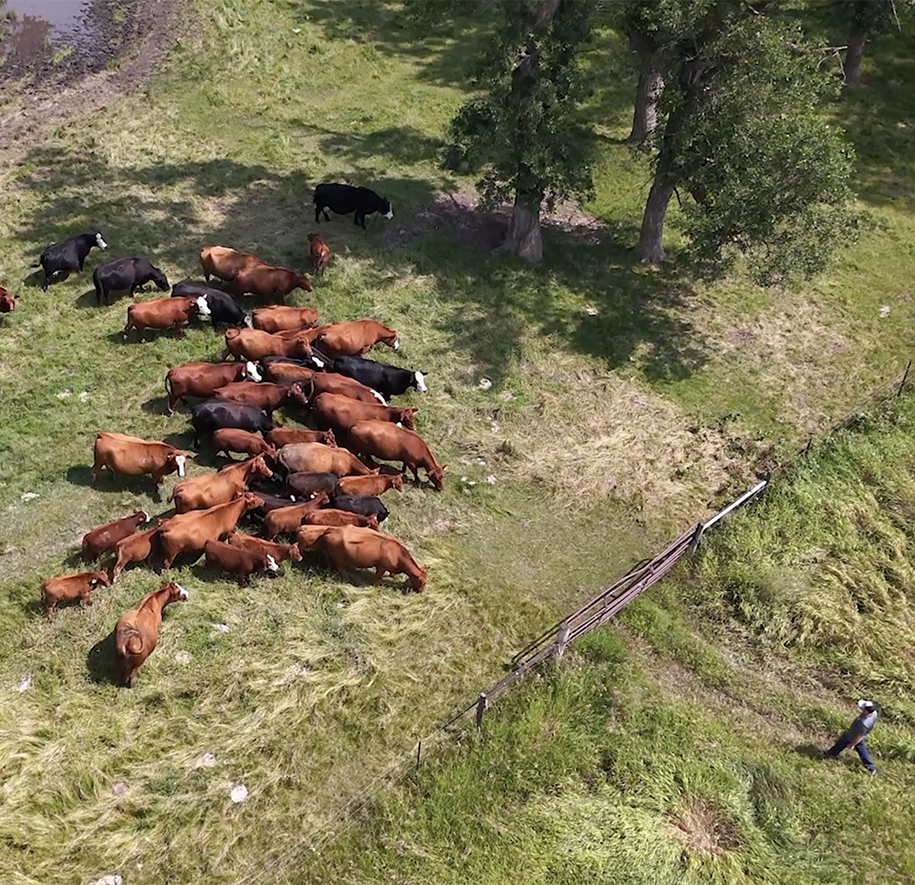
Another option for fall and winter grazing is using native pasture. Dormant pasture can have significant benefits for decreasing bare ground by breaking off senesced grasses and integrating them into the soil through hoof action. For graziers using intense rotations to manage forage regrowth, winter can be a time to relax the rotation and save labor. Winter grazing can even provide an opportunity to shift the plant community and promote a diverse crop rotation.

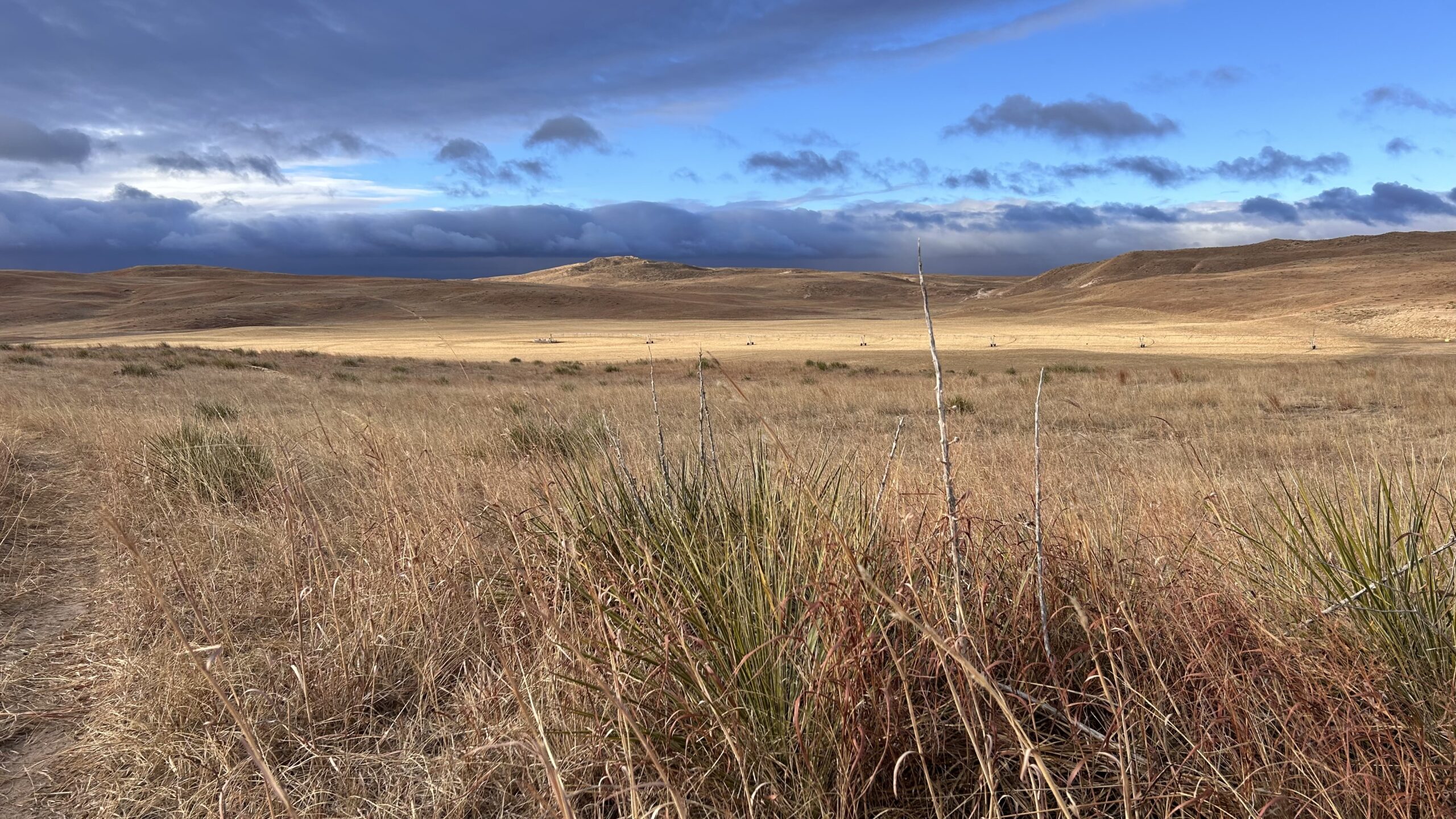
One example of this can be seen in the Nebraska Sandhills. Pastures that are never wintered tend to have more yucca and bare ground, while wintered pastures have more soil cover and warm season grass growth. Dormant season grazing preceded or followed by rest can boost range health and forage production.

Turning Plans into Action — with the Right Help

With the right plan in place, you can extend your grazing season, reduce input costs, and set your pastures up for better performance next year.

As a Technical Advisor, I work directly with producers through AgSpire’s programs to develop grazing plans that fit their land, herd, and goals — and then help put those plans into action. So, whether you’re testing out a new forage mix, giving perennials time to recover, or looking for ways to do more with what you’ve got, we’ll figure out what makes sense for your operation.

To learn more about our programs and how they can help improve your fall forage, fill out the form below.

About the Author

Sheridan Wilson, Technical Advisor for Grazing Systems

As a Technical Advisor at AgSpire, Sheridan works directly with ranchers to improve grazing systems and support the long-term health of native rangelands. She grew up on her family’s cow/calf operation in western Nebraska and brings hands-on experience, technical knowledge, and a deep passion for the land, livestock, and people who steward them.

Sheridan holds a B.S. in Grassland Systems from the University of Nebraska–Lincoln and has worked with Nebraska Extension, NRCS, and Green Cover.