

Across the Northern Plains, a lot of CRP acres are hitting the end of their contracts. South Dakota, Nebraska, Montana, North Dakota, producers are asking a similar question:
Do you Re-Enroll, or do you Put That Ground Back to Work?
There’s no one-size answer. It comes down to what the land can do and what you want out of it.
What CRP still does well:
- CRP is simple. That’s its biggest advantage.
- You get a fixed payment. No management decisions once it’s established.
- On the higher end, Continuous CRP can still pencil strong. If your ground qualifies, you’re looking at competitive payments.
- For marginal acres, that’s hard to beat.
Where Producers are Taking a Harder Look
When it comes to medium to high producing acres, other options need to be considered.
General CRP payments in much of the Plains land in the $45–$75 per acre range. That can pencil out. But it also means the land is largely parked most years.
CRP does allow grazing or haying, typically once every three years under managed conditions. But it’s not something you can rely on annually or build your operation around.
At the same time, cattle prices are strong. That changes how producers look at feed and forage. Every ton of forage you can grow yourself carries more value than it did a few years ago.
With around 1.5 million acres coming out of CRP in September 2026, more producers are starting to look at what those acres could do instead.
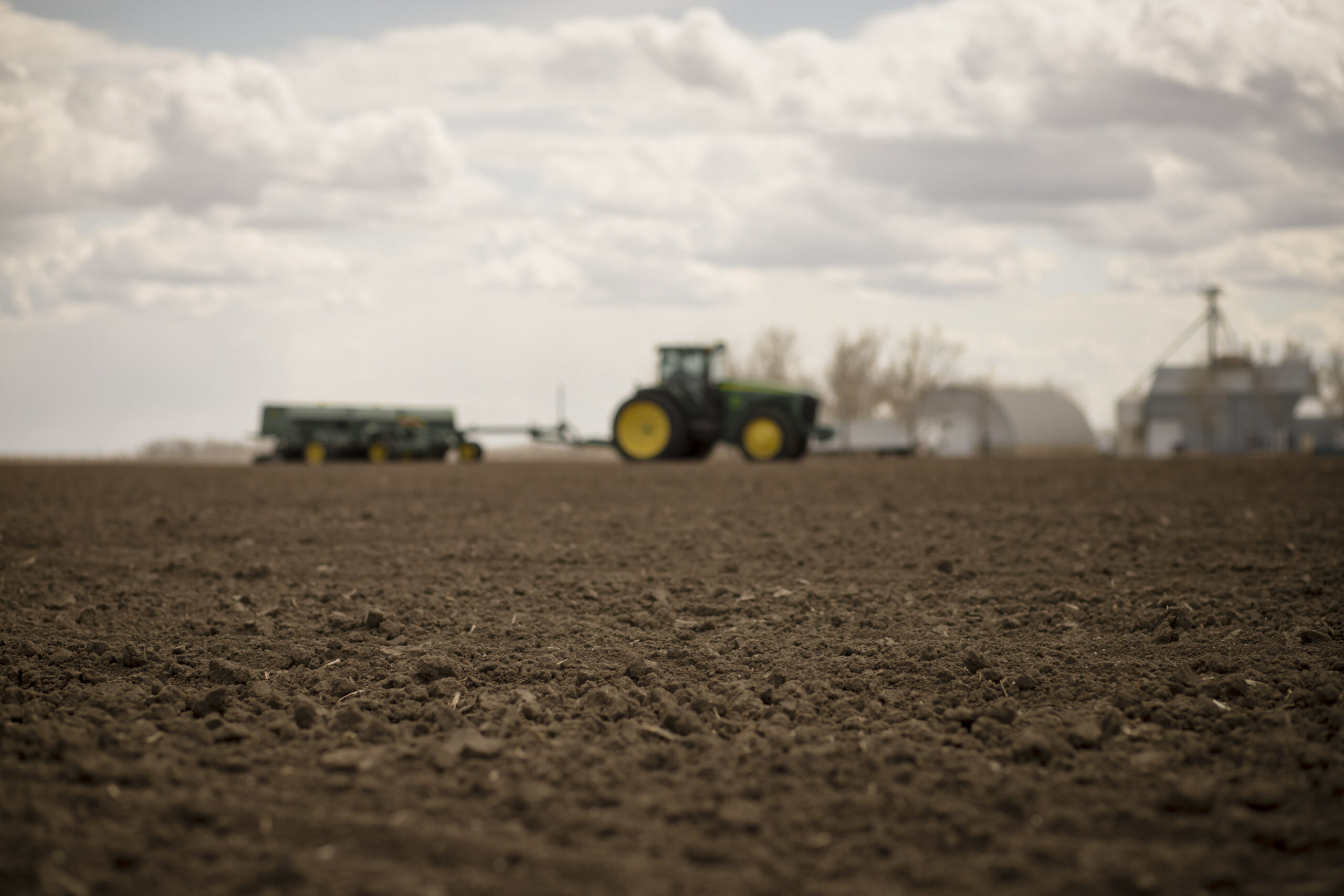
What Changes When Land Goes Back into Forage
When perennial forage is established and managed, it generates feed for cattle while improving soil health.
That shows up in a few ways on real operations:
- Lower feed costs
- More productive land over time
- More total forage available across the operation
- More control over how the operation runs
When cattle prices are high, that feed value matters even more. You’re not just growing grass. You’re supporting revenue on the livestock side.
Where Programs Come into Play
Programs like AgSpire’s Grass is Greener are built around that idea. Helping producers bring acres back into production in a way that works on real operations.
Producers who enroll in the Grass is Greener program receive an incentive at the time of seeding: $200/ac for grass or $120/ac for forage planting.
There’s reimbursement shortly after verification, along with technical support to help get the stand established right.
From there, it’s up to the producer. Graze it. Hay it. Manage it in a way that fits the operation.
The Tradeoffs
This isn’t a perfect apples-to-apples comparison.
CRP requires no upfront cost; GIG does but you’re reimbursed within 90 days. CRP is also predictable. GIG depends on how well you use the forage. That’s the trade.
We’ve heard from many producers who are thinking about what to do – and consistently hearing:
- Lower productivity acres are likely to stay in CRP
- Acres with forage and grazing potential are going into programs like Grass is Greener
And a growing number of producers are looking for ways to keep the land productive and taking advantage of high cattle prices by increasing on-farm forage and grass.
The Bottom Line.
CRP pays for stability – with limited use.
Working land pays when it’s managed well and used consistently.
The right decision depends on what your acres can do, and whether you want them sitting or working for your operation and cattle.
The Numbers.
In the table below, we compare CRP and working land enrolled in a program like Grass is Greener over a 5-year period using conservative assumptions to show how returns stack up depending on how the acres are used. The analysis was based on the following – CRP assumes an annual payment of $60/ac with no additional revenue, working land assumes a $200/ac establishment cost, offset by a $200/ac (grass) incentive, and generates $75–$125/ac/year in forage value over a 5-year stand.
| Category | CRP (General / Continuous blended assumption) | Working Land (Forage – Grass is Greener type program) |
| Upfront Cost | $0 | ~$150–$250/ac (seed + establishment) |
| Incentive / Payment | $60/ac/year (avg)
$ |
$200/ac (one-time incentive – grass) |
| Forage Value | $0 | $75–$125/ac/year (grazing or hay value) |
| Total 5-Year Revenue | ~$300/ac | ~$575–$825/ac |
| Net (after costs) | ~$300/ac | ~$400–$650/ac |
| Flexibility | None (no grazing/haying) | Full (graze, hay, adapt yearly) |
| Labor / Management | Minimal | Moderate |
| Best Fit | Marginal acres | Productive forage ground |
Additional Links
Want to read about Pasture Conversion? >>> Click Here
Want to learn more about AgSpire and our programs? >>> Click Here